



Polyethylene (HDPE) Fabrication.
High-density polyethylene fabrication optimised to the conditions of outdoor exposure, burial and reactors of enormous volume.
The indispensable engineering material for the harshest outdoor and buried conditions: high-density polyethylene.
High-density polyethylene (HDPE), in which catalytic methods reduce branching of the molecular chain to a minimum and raise density and crystallinity to their highest, is the indispensable engineering material for the harshest outdoor conditions, for buried applications and for reactors of enormous volume.
HDPE 100 / PE 100-RC High-Performance Fabrication in MRS 10 MPa Class
High-performance fabrications in the 10 MPa MRS (minimum required strength) class, resistant to deformation under sustained hydrostatic pressure and outstandingly durable against slow crack propagation.
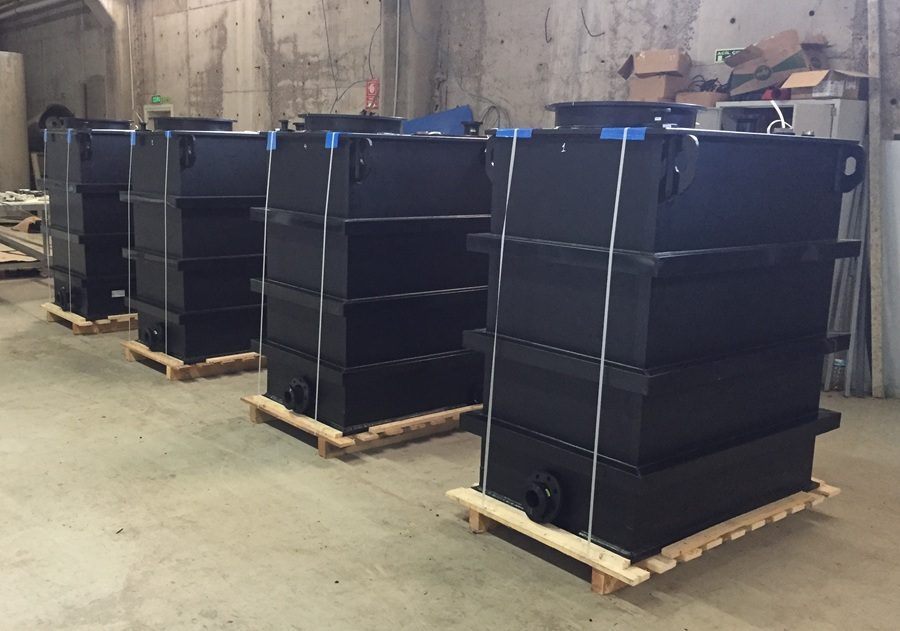

- Materials Science and Components
- HDPE 100 sheet enriched with carbon black pigment against ultraviolet light, and cross-linked polymeric pipe networks (PE 100-RC) in which cracks do not propagate under point loading.
- Industry Applications
- Chemical storage and process tanks of 100,000 litres and above, buried oil and water separator systems, and heavily abrasive slurry transfer lines in mining.
RC — resistance to crack — technology stops microscopic cracks growing through the wall under point stresses such as stones or ground pressure in the trench. That removes the need for a fine sand bed during backfilling.
HDPE is enormously resistant to solvents and alkalis, but its maximum continuous working temperature is 60 °C, where PP-H reaches 90 °C. For hot acidic processes, PP is the material to choose.
Tanks of a tonnage that cannot be transported to your plant are built monolithically in place by our engineering team, using mobile spiral winding or robotic extrusion welding on site.
PE-el Electrically Conductive Polyethylene Fabrication
The strategic infrastructure range in which the impact absorption, site robustness and buried strength of HDPE are crowned with electrical conductivity to ATEX standards.
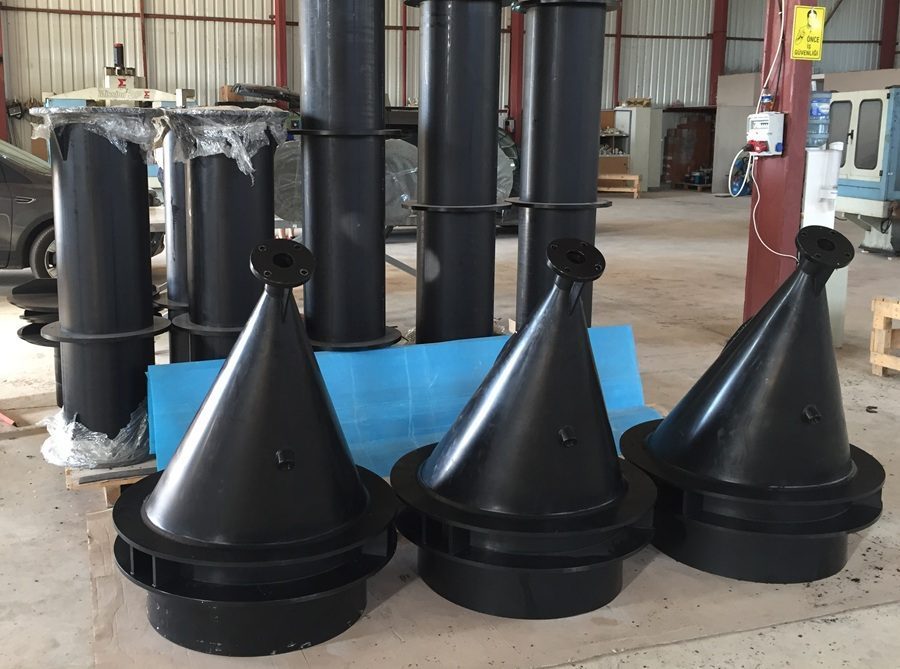
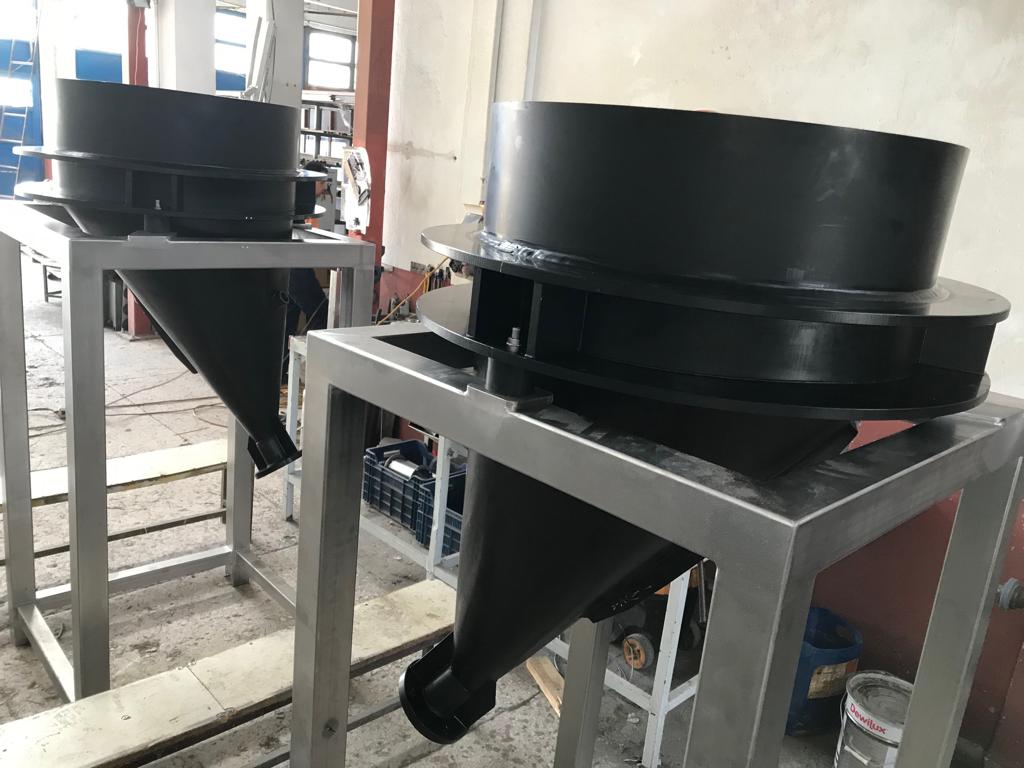
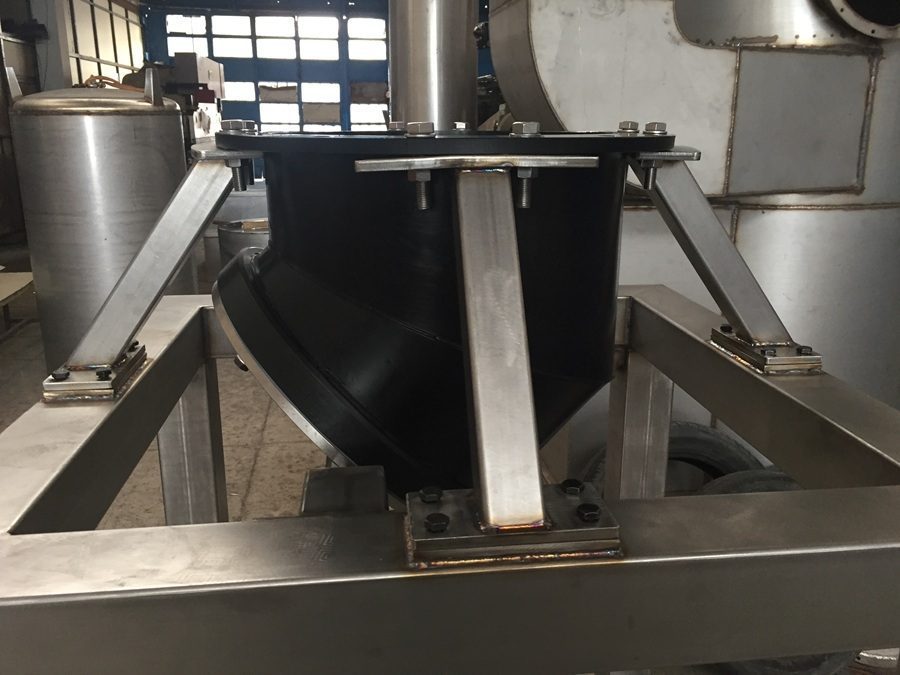
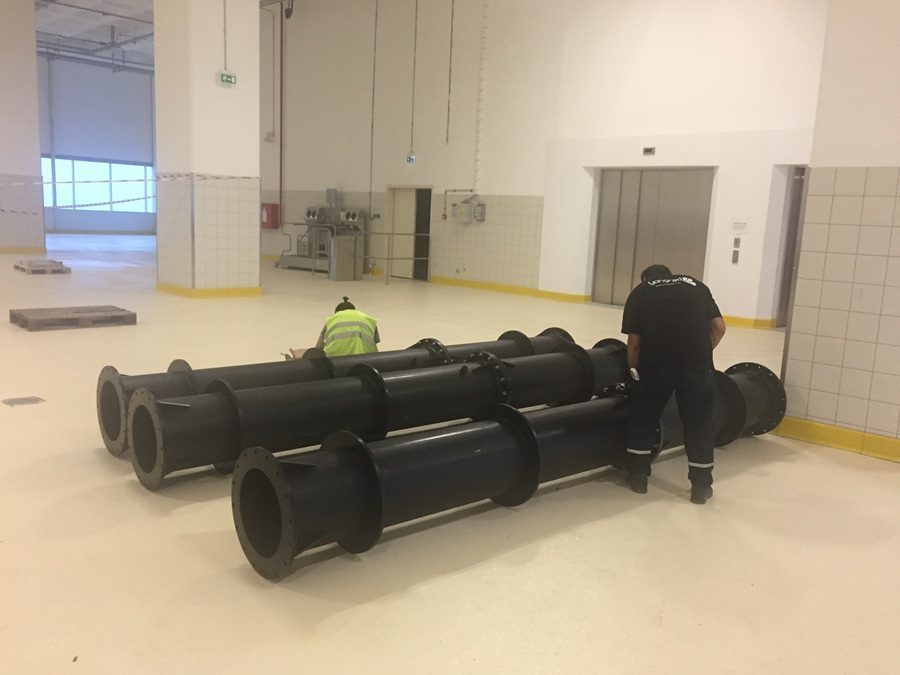
- Materials Science and Components
- Carbon-modified polyethylene sheet and pipe whose surface resistivity is brought down to 104 ohms, preventing flammable media from building up a static charge through friction.
- Industry Applications
- Buried transfer lines in fuel tank farms, the infrastructure of filling stations and collector mains for solvent-bearing hazardous waste.
Unlike steel, PE-el is by its polymer nature untouched by soil moisture, sulphates or galvanic currents, and needs no additional cathodic protection.
Yes. The parent polymer matrix is the same polyethylene, so standard electrofusion couplers or butt welding machines produce faultless, tight joints.
With the right wall thickness and SDR class, PE-el pipe fully isolates against the permeation of standard fuels and petrochemical derivatives.
PE-HWU Heat- and UV-Resistant Polyethylene Fabrication
A high-molecular-weight formulation that raises the 60 °C thermal ceiling of standard polyethylene and is untroubled by direct solar radiation or by the freezing conditions of the hardest northern climates, Scandinavia included.


- Materials Science and Components
- A high wear and weather resistant PE range, modified with extra antioxidant packages and dedicated stabilisers, resistant to thermal creep.
- Industry Applications
- Collectors of cooling towers working in the open sun, industrial open-air wastewater discharge stacks and outdoor scrubber reactor bodies.
It withstands 70 °C in continuous service and short discharge peaks up to 80 °C without deforming.
No. Its carbon black and ultraviolet inhibitors absorb the photochemical attack of the sun, and it offers a maintenance-free outdoor life of 50 years and more.
In hard climates where winter temperatures fall to −30 °C or −40 °C, polypropylene becomes brittle while PE-HWU retains its low-temperature toughness to a remarkable degree.
Double-Wall HDPE “Zero-Leakage” Fabrication
The “zero-leakage” safety architecture of two independent walls, one inside the other, for high-risk processes where a chemical leak could mean an environmental disaster, contaminated ground or injury.
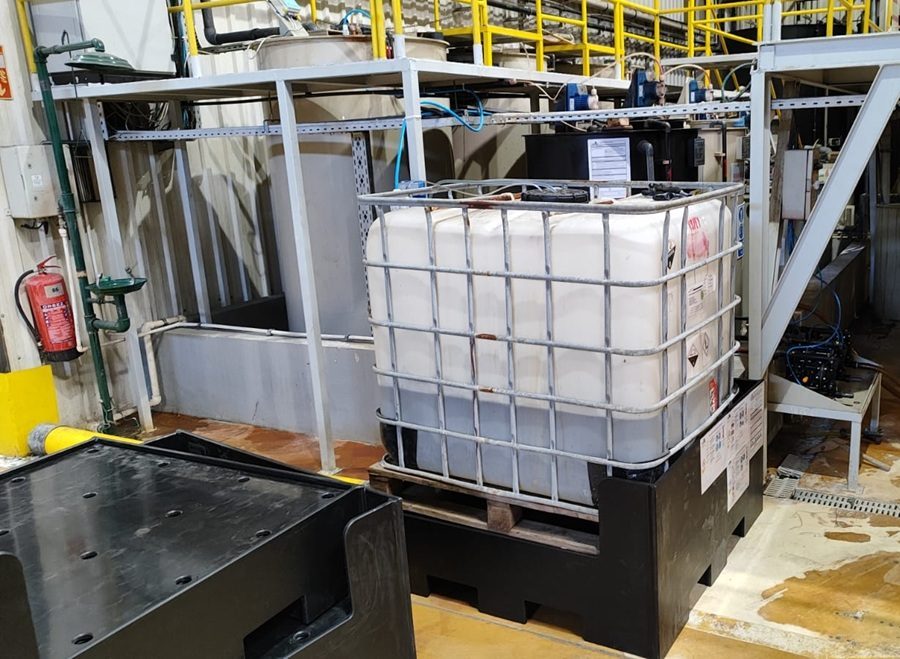
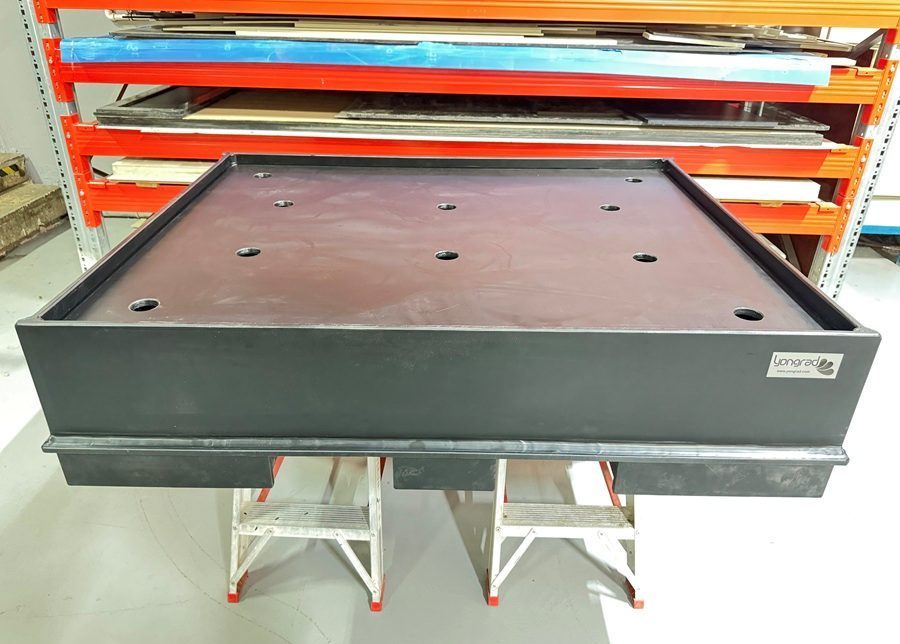

- Materials Science and Components
- A carrier inner wall through which the medium flows and a strong containment outer wall that protects the surroundings, with Labkotec vacuum or optical leak sensors built into the interstitial space between them.
- Industry Applications
- Chemical transfer lines crossing river beds, waste networks in nuclear plants and galleries carrying heavily toxic mining solutions such as cyanide and chromium.
The escaping medium is captured in the safe basin formed by the outer wall. At the same moment the Labkotec sensors between the walls alarm the automation and stop the pumps, so not one drop reaches the environment.
The differing expansion of the two walls under their temperature difference is absorbed mechanically by expansion loops or sliding supports.
Our simultaneous double-wall welding technology and electrofusion couplers halve the installation time compared with conventional methods.