
Our Services

Electroplating.

Advanced electroplating technology that gives metal surfaces corrosion resistance, durability and an attractive finish.

Electroplating

What is electroplating?

Electroplating is a versatile technique used across many industries to improve both the quality and the appearance of metals. For all its reach, few people outside the industry know quite what electroplating is or how it works.

Electroplating, often called electrodeposition, is the process of using an electric current to lay a thin layer of metal onto a substrate. It is used to alter the physical properties of an object: to build up thickness, to increase durability, to provide corrosion resistance, or simply for decoration.

Modern technology has refined the process, but the roots of electroplating go back centuries. The first experiments began in the early eighteenth century, and the procedure was formalised by Brugnatelli in the nineteenth.

Electroplating line
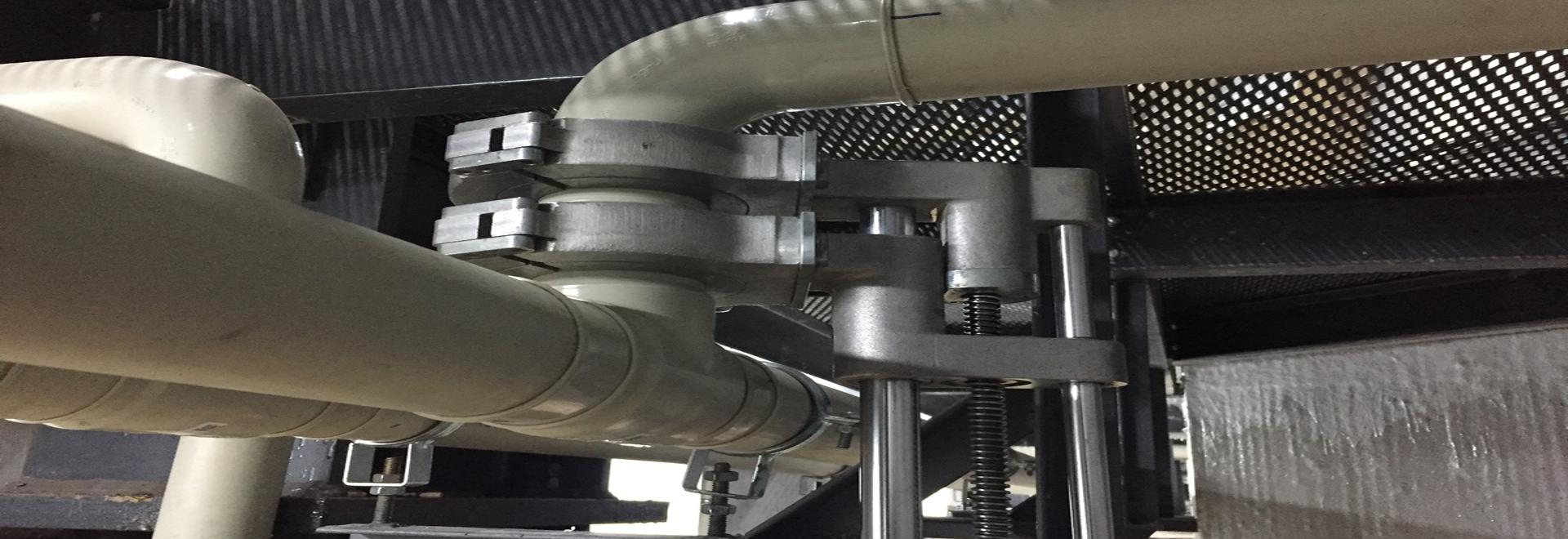
Electroplating plant
01 / 02
Process & Quality

The electroplating process

Process

Electroplating dissolves metal and deposits it on a target surface by means of an electric current. The process rests on four essential components.

  1. AnodeThe positively charged electrode, made of the metal being plated.
  2. CathodeThe negatively charged electrode that receives the layer of metal, also known as the substrate.
  3. Electrolyte SolutionThe solution of metal salts that carries the current during plating.
  4. Power SupplyIt provides the direct current (DC) that drives the reaction and carries the metal ions from anode to cathode.
Quality

How well electroplating performs depends on several critical factors.

  • Bath ConditionsThe chemistry and the temperature of the electrolyte play a large part in the quality of the finish.
  • Part PlacementHow close the anode sits to the cathode affects how evenly the metal is deposited on the substrate.
  • Electric CurrentThe voltage and the time in the bath determine the thickness and the quality of the deposit.

Electroplating techniques

01

Barrel Plating

Suited to large batches of small, robust parts. The components are loaded into a rotating barrel filled with electrolyte, and the constant movement gives an even deposit.

02

Rack Plating

Used for delicate or awkwardly shaped parts that need reliable electrical contact. The components are mounted on racks so that plating conditions stay under control.

03

Electroless Plating

This relies on a chemical reaction to deposit the metal and needs no external power supply, which makes it ideal for parts that are sensitive to electric current.

Electroplating application
Applications

Applications of electroplating

Electroplating is usually associated with improving appearance, but it plays several other important roles in manufacturing.

01

Building up thickness

Applying several layers builds up the thickness of the substrate.

02

Protective coatings

The plated layer acts as a sacrificial barrier, degrading first so that the base material is protected from the environment.

03

Improving surface properties

Certain metals reduce friction, raise conductivity or improve corrosion resistance.

04

Improving appearance

Precious metals are chosen to give the substrate an attractive finish.

Advantages

The advantages of electroplating

For industrial applications, electroplating brings advantages in protection, in appearance and in performance.

The plated surface reduces damage from the environment and so extends the life of the component.

Precious metals are applied in thin layers, giving a luxurious finish without a significant rise in cost.

Copper and silver plating raise the electrical conductivity of electronic components considerably.

Metals such as zinc-nickel and gold offer excellent thermal stability and protect components from heat damage.

Electroplating strengthens the substrate and makes it more resistant to physical wear.

Industries

Industries that benefit from electroplating

By offering greater durability, protection from corrosion and better conductivity, electroplating has become integral to many industries.

Automotive

It prevents rust on exposed parts and improves the appearance of vehicle components.

Electronics

Gold and copper plating improve the reliability of semiconductors and connectors.

Medical

Metals such as gold and titanium improve the biocompatibility of implants.

Aerospace

Light, corrosion-resistant metals preserve the integrity of critical components.

Oil and Gas

Corrosion-resistant coatings such as electroless nickel protect against harsh environments.

Jewellery and Luxury Goods

Precious metals such as gold and silver add durability and beauty to decorative products.