



Industrial Oil-Water Separators.
Advanced separation systems to EN 858 that bring the oil content of the water far below the legal limits.
Discharge without risk, through density difference and coalescence.
These are advanced separation systems built to EN 858-1/2 that remove hydrocarbons, petroleum products and machine oils from water so it can be discharged to nature or the municipal network without risk. Working on the difference in specific gravity and on coalescence, they bring the oil content far below the legal limit of 5 mg/l.
Oil and Fuel Separators Class I coalescence units
High-efficiency Class I separators that capture the microscopic, non-emulsified oil droplets in the water, coalesce them and bring them to the surface.
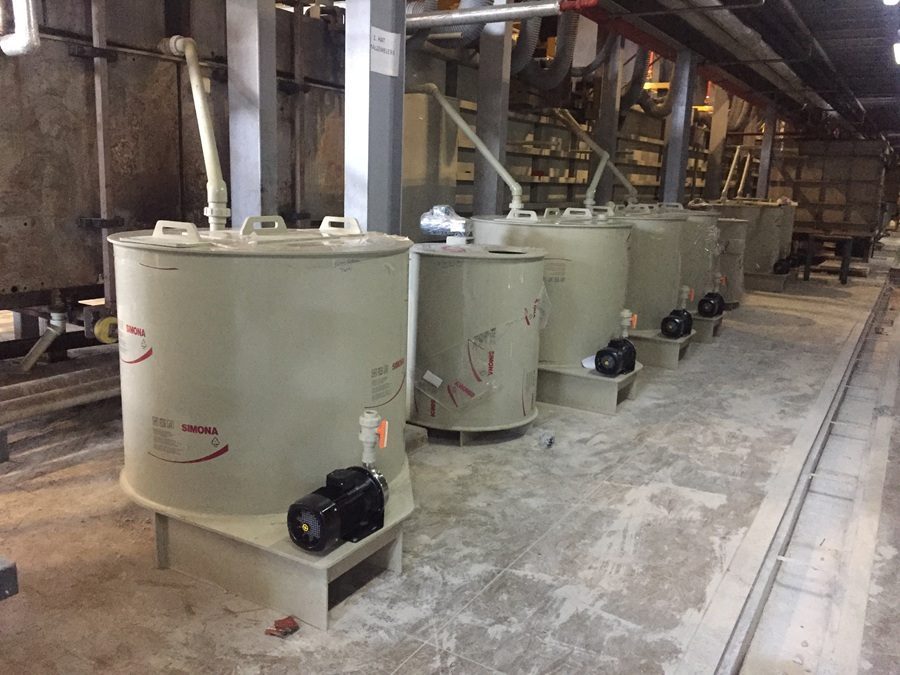
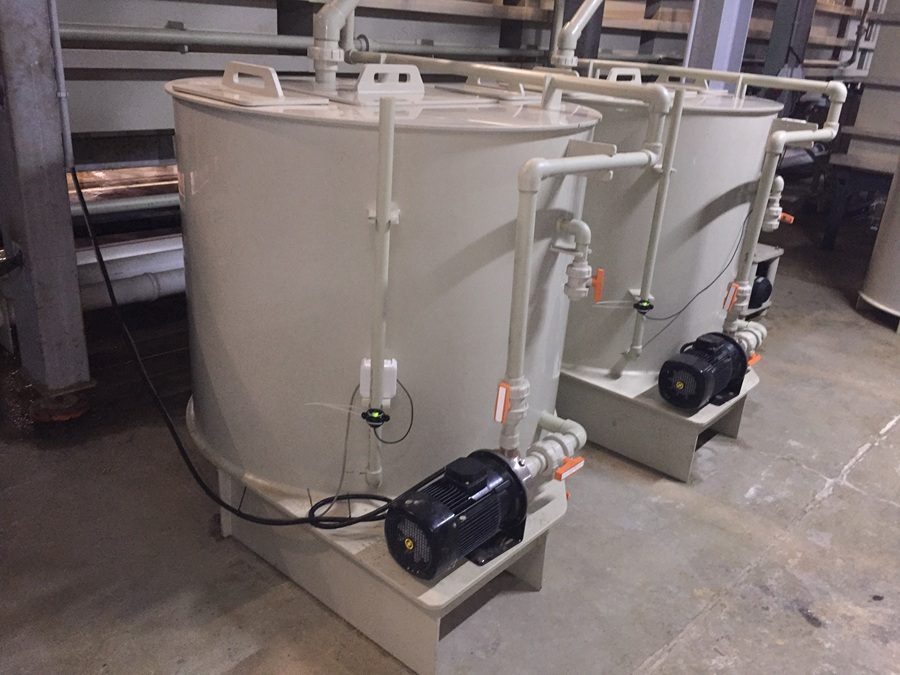
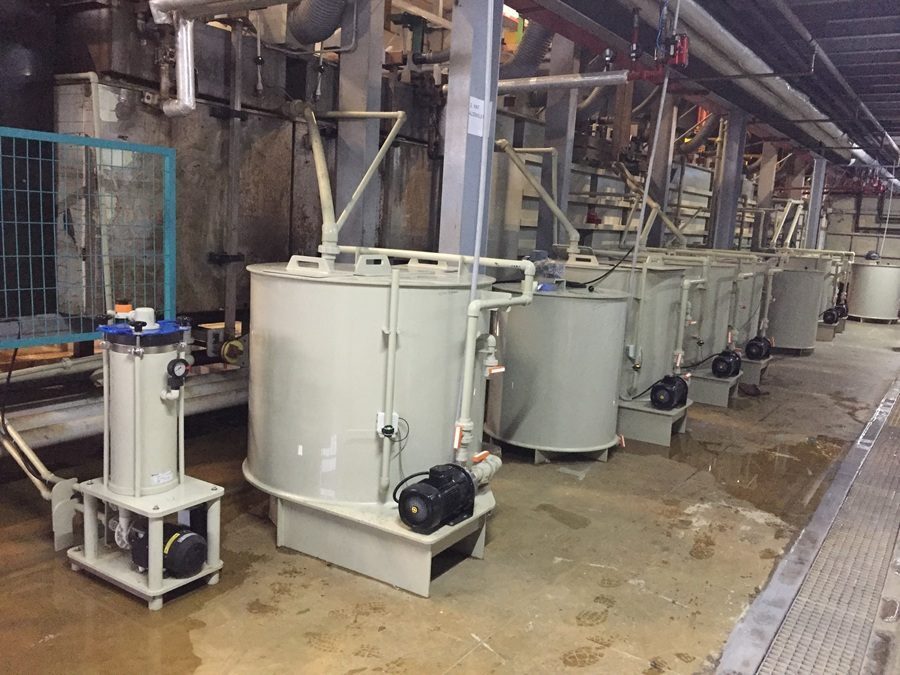
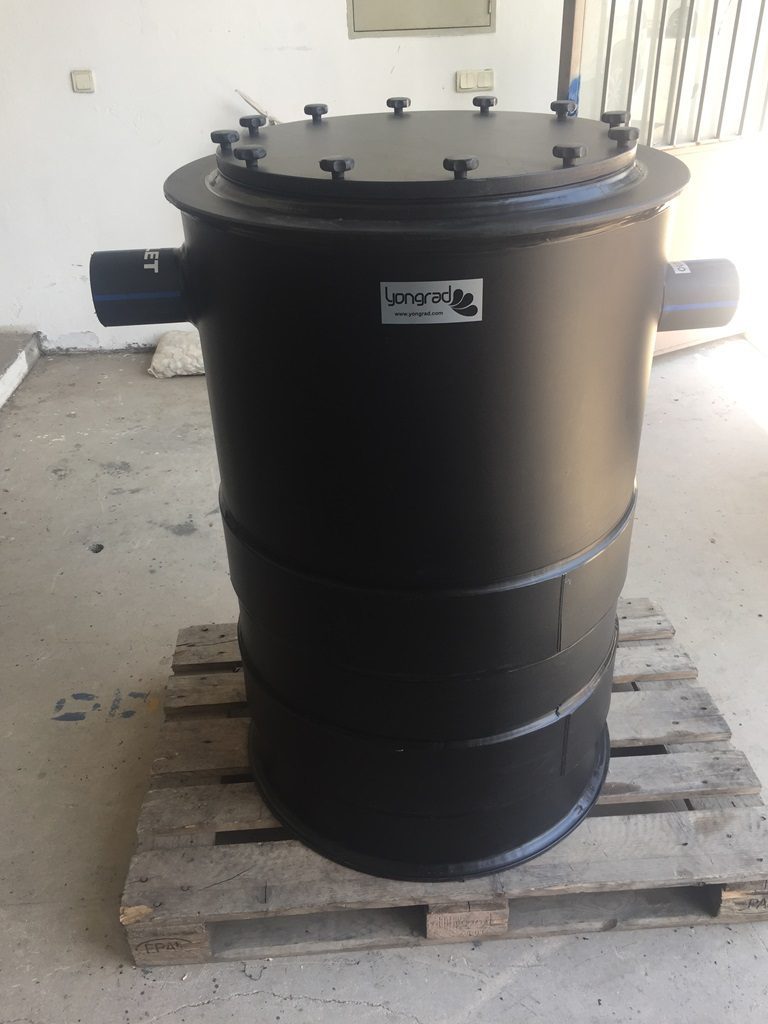
- System Architecture
-
- Oleophilic filters in reticulated polyurethane or a polymer matrix that use a very large surface area to merge and enlarge the micro-droplets and drive them upwards.
- Automatic closure float valve: when the oil storage volume is full it locks the outlet mechanically and prevents an environmental incident.
- Integration of the Labkotec OMS-1 oil level alarm.
- Industry Applications
-
- Filling stations, fuel loading terminals and refineries.
- Substations with oil containment bunds, and vehicle servicing and washing facilities.
Being oleophilic, it repels water and attracts oil droplets. As they merge and grow, buoyancy carries them to the surface. The filter does not clog; washing it periodically with pressurised water extends its life by years.
The float is calibrated to sit between water, at a density of 1.0, and oil, at roughly 0.85. As the oil layer thickens and pushes the float down, the valve seats itself and physically seals the outlet.
As EN 858 requires, the Labkotec idOIL-20 level alarm built into the system gives a visual and audible signal to the control system once the capacity reaches 80 %.
Industrial Oil Skimmers Active surface removal units
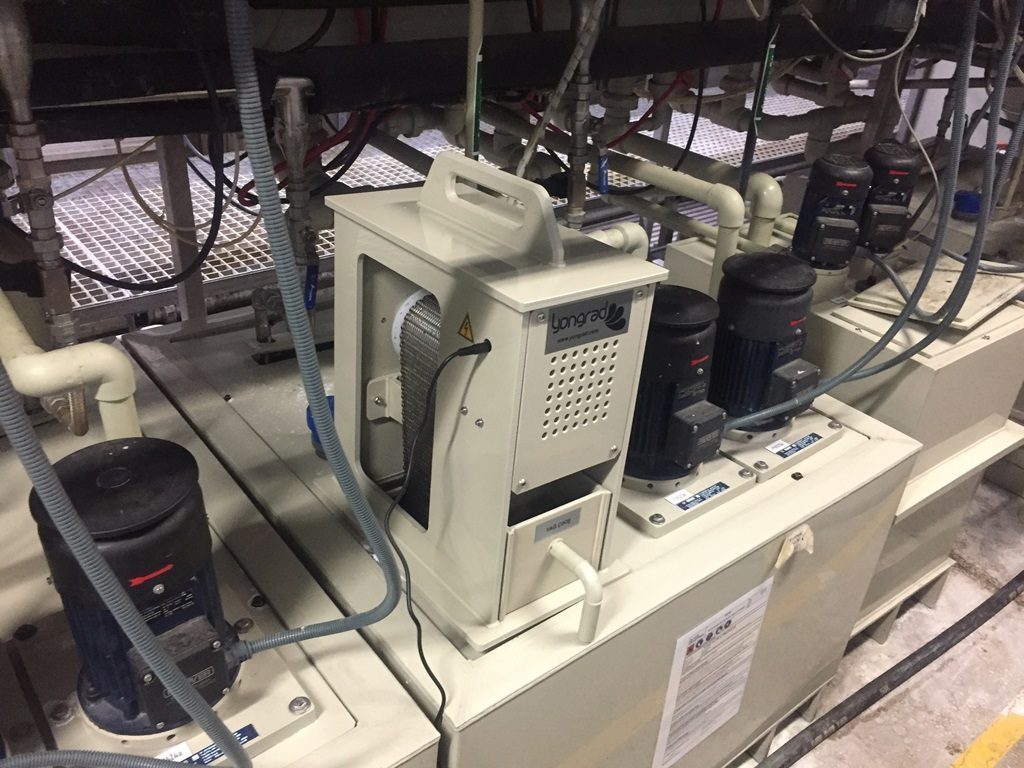
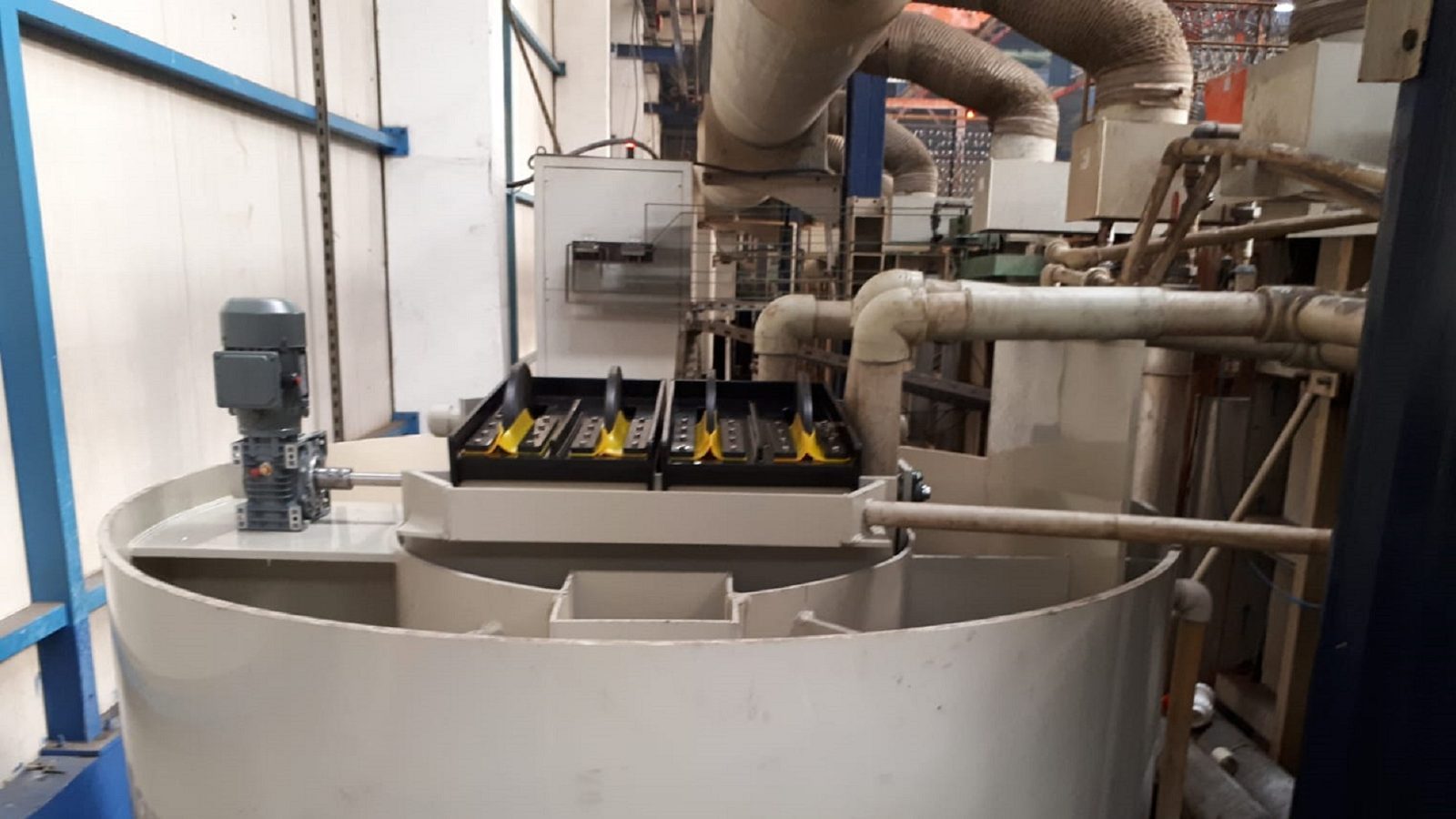
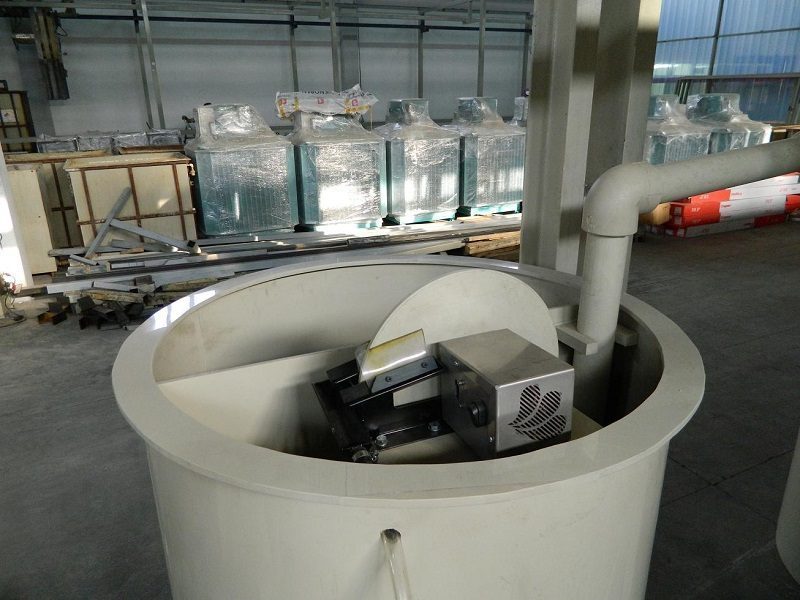
Active units that mechanically skim and remove the free tramp oil collecting on the surface of open process tanks, cooling towers and large effluent lagoons, without stopping the process.
- System Architecture
-
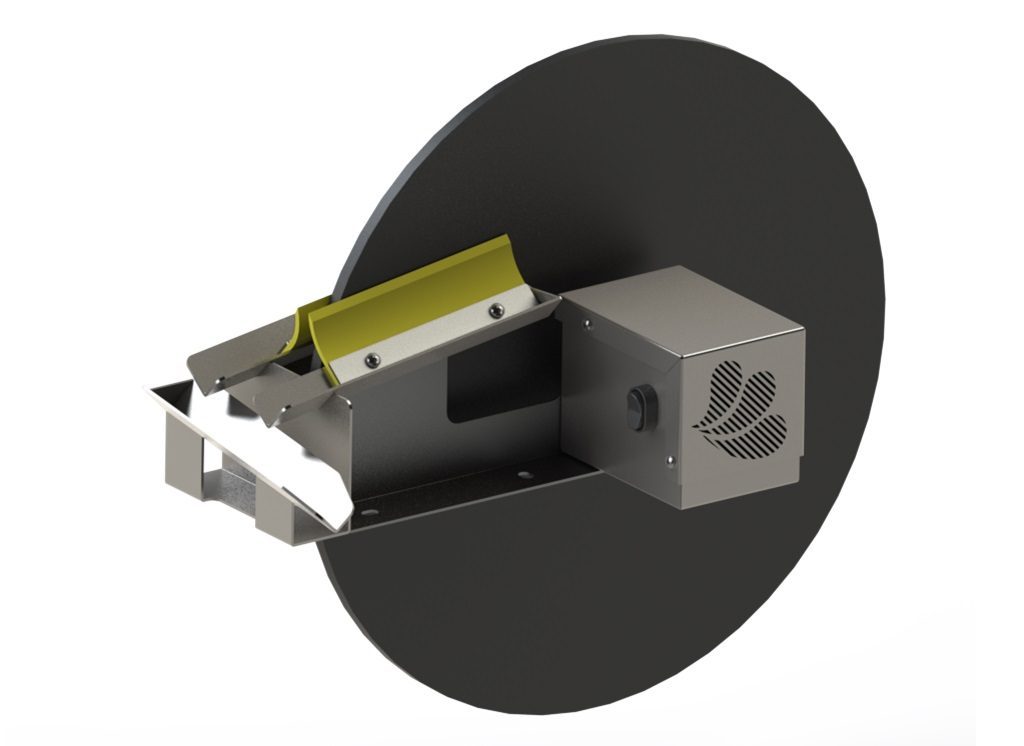
- Corrosion- and chemical-resistant polymer disc, belt or tube skimmer mechanisms that lift the oil and leave the water behind.
- Explosion-proof, variable-speed geared motors running slowly.
- Integrated PP troughs that carry the skimmed oil away.
- Industry Applications
-
- Cleaning coolant in CNC machining shops.
- Petrochemical discharge units at northern European port facilities such as Aarhus and Fredericia, where heavy industry and infrastructure standards set the benchmark.
By the temperature and chemistry of the process: polyurethane, steel or elastomer. In strongly acidic baths, fully polymeric oleophilic belts are used to rule out corrosion.
The motor speed is optimised to the viscosity and kept slow enough for the oil to cling to the belt while the water drains off. Double-sided Teflon wiper blades then remove only the oil film.
Floating skimmers, or belt systems with a free weighted bottom roller, stay in the middle of the oil layer whatever the water level does.
Automatic Separators Fully automated reactors under sensor control
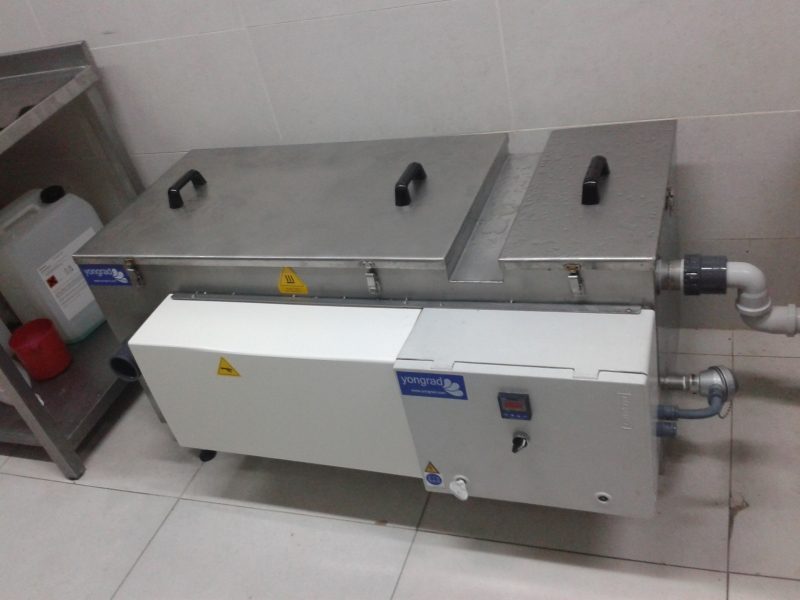
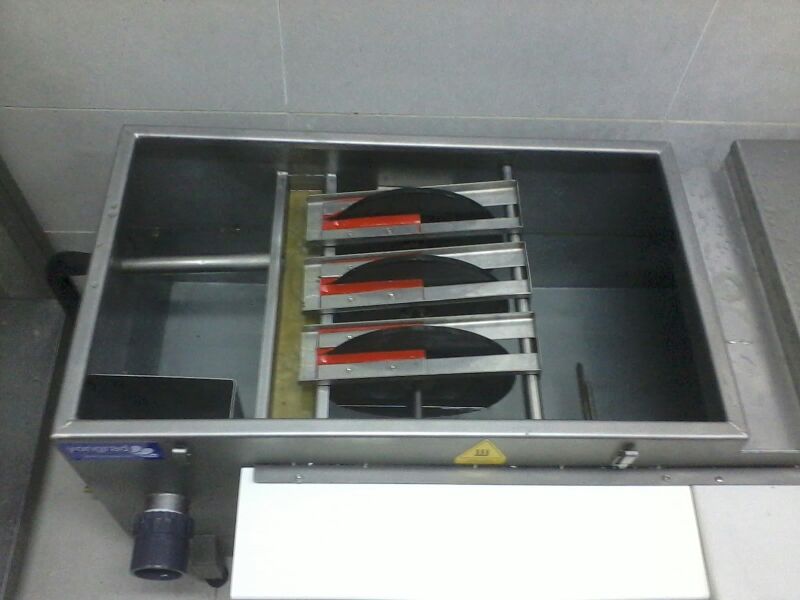
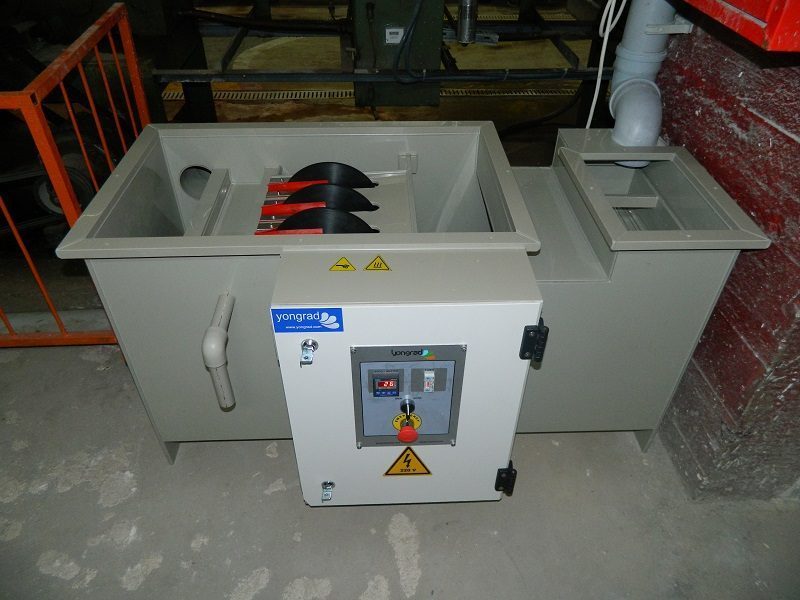
Advanced reactors that transfer the oil phase separated by density difference into a waste tank automatically, through fluid mechanics and pneumatics, with no operator involvement.
- System Architecture
-
- Capacitive Labkotec sensor interfaces that detect the hydrocarbon at the surface by its dielectric constant.
- Actuated discharge valves and explosion-proof pneumatic pumps.
- A PLC communication panel fully compatible with wastewater treatment SCADA systems.
- Industry Applications
-
- Lubricating oil containment bunds at steam turbines in thermal and nuclear power stations.
- Central effluent sumps at automotive plants.
The sensors follow the oil-water interface to the millimetre. Once the oil layer reaches its set thickness, a timer runs the pump for exactly as long as it takes to remove that layer.
Gravity or mechanical skimming alone will not break an emulsion. But with an emulsion-splitter dosing unit integrated, the oil is released into the free phase and the system then removes it automatically without difficulty.
A separate Labkotec high-level sensor sits on the waste tank. When it fills, the system interlocks the separator discharge pump automatically and raises an alarm.
Plate Separators CPI / TPI lamella pack units
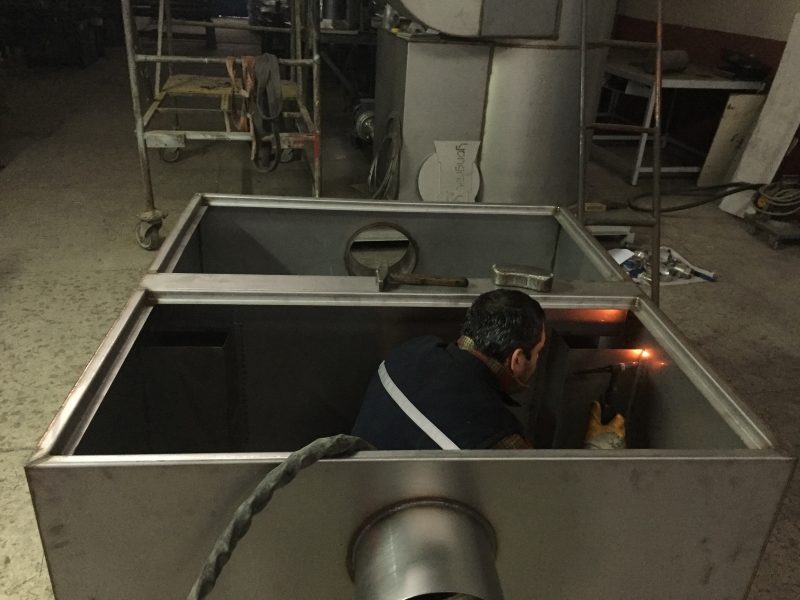
Known as corrugated plate interceptors (CPI) or tilted plate interceptors (TPI), these systems multiply the effective separation area many times over through parallel inclined polymer plates set in the flow path, and separate hydrocarbons at micron level even at very high flows — without the need for huge tanks.
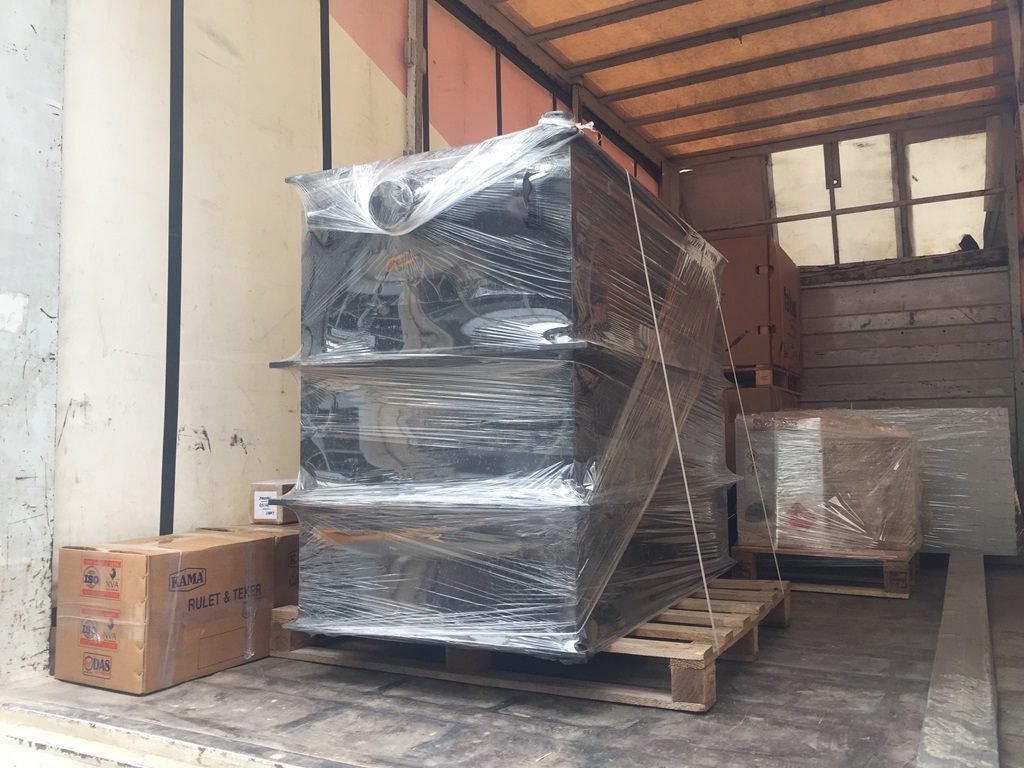
- System Architecture
-
- Oleophilic lamella packs in FRPP (flame-retardant polypropylene), inclined at 45 to 60 degrees in cross-flow or counter-current arrangement, on which no sediment settles.
- Diffuser baffles that lower the Reynolds number and produce the laminar flow Stokes' law requires.
- A V-shaped hopper base to collect the heavy sediment.
- Industry Applications
-
- Stormwater discharge from heavy industrial sites.
- Zero-discharge projects on oil drilling sites, in ore washing plants and in port infrastructure.
The plates are inclined at an optimum angle, usually 60°, so sediment slides easily to the floor under gravity. The pitch between them is also calculated against the solids load to prevent blockage.
In an empty API basin the oil may have to rise several metres; in a CPI it need only rise the few millimetres between two plates. That shortens the separation time dramatically and reduces the footprint of the unit.
Our plates are extruded monolithically from pure polypropylene, absolutely resistant to aggressive hydrocarbons — not from stainless steel, which corrodes, nor GRP, which sheds fibres.