



Tank Lining.
Lining technologies that armour existing steel and reinforced concrete structures with the inertness of advanced thermoplastics and fluoropolymers.
The technology that armours structures of sufficient mechanical strength but no chemical resistance with absolute inertness.
This is the technology of armouring carbon steel, stainless steel or reinforced concrete structures — mechanically strong but chemically unequal to the medium — with the absolute inertness of advanced thermoplastics and fluoropolymers. Under aggressive chemical conditions it protects concrete from corrosion and steel from pitting.
PP Lining Polypropylene Protective Liners
A monolithic protective liner permanently integrated into the concrete or steel surfaces of general industrial acid and alkali basins working hot, up to 90 °C.
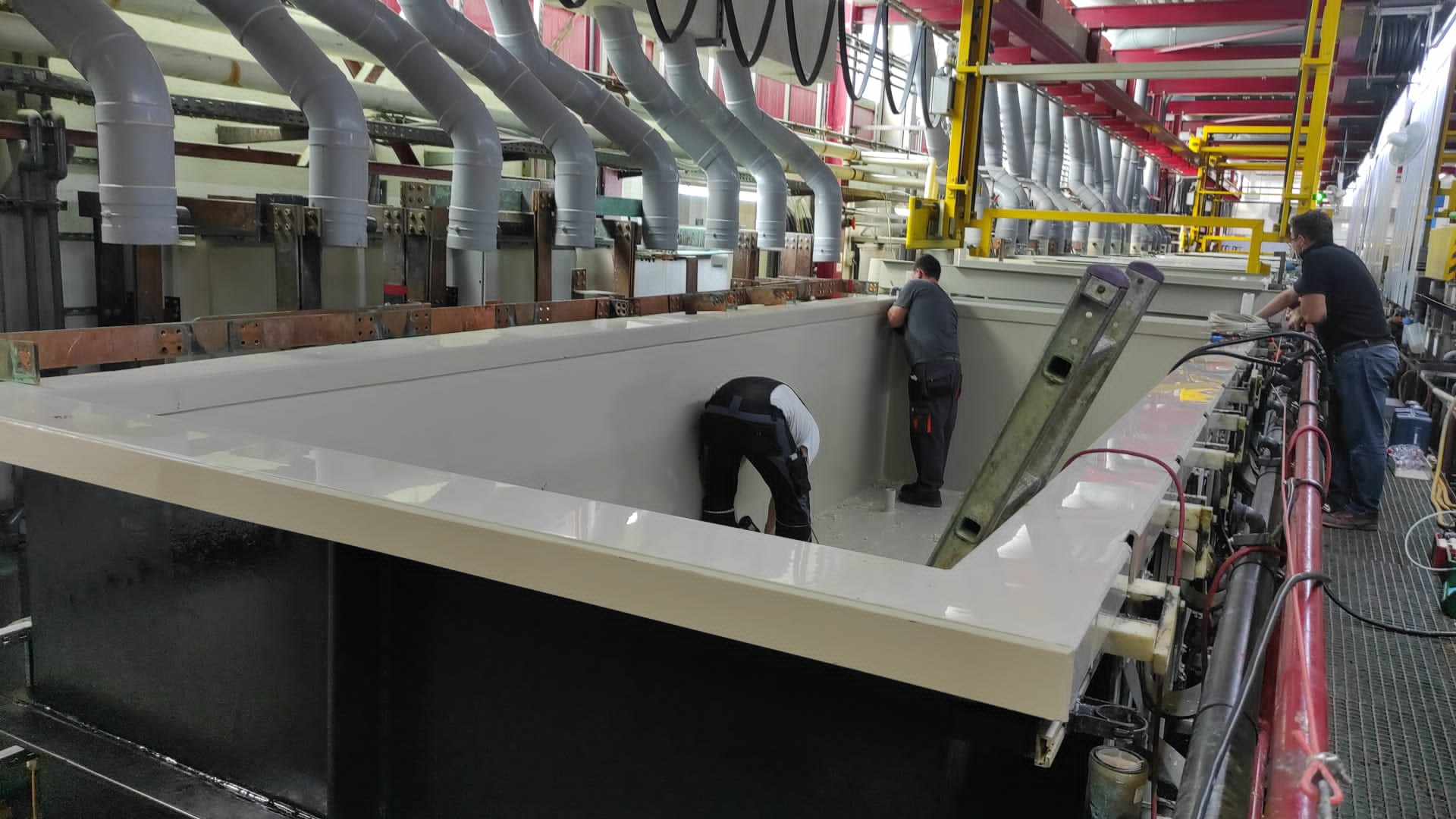
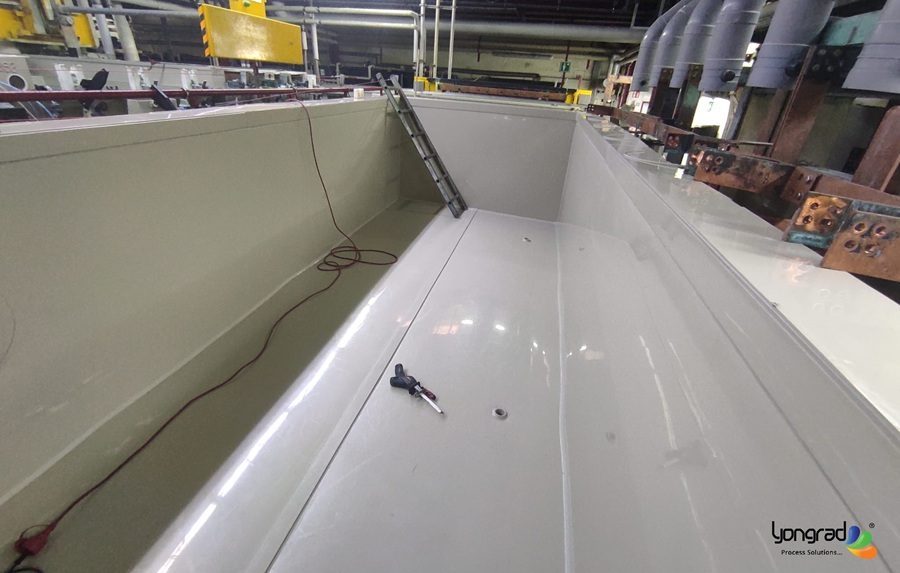
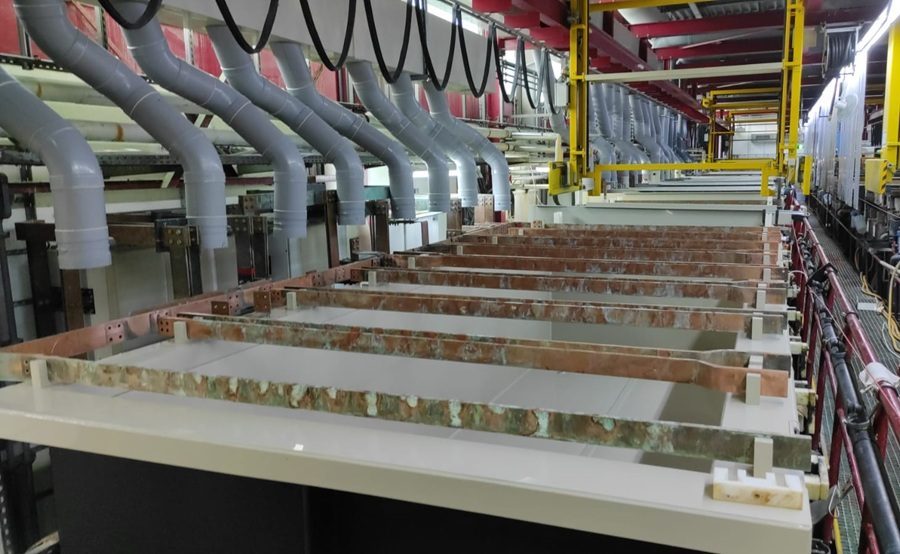
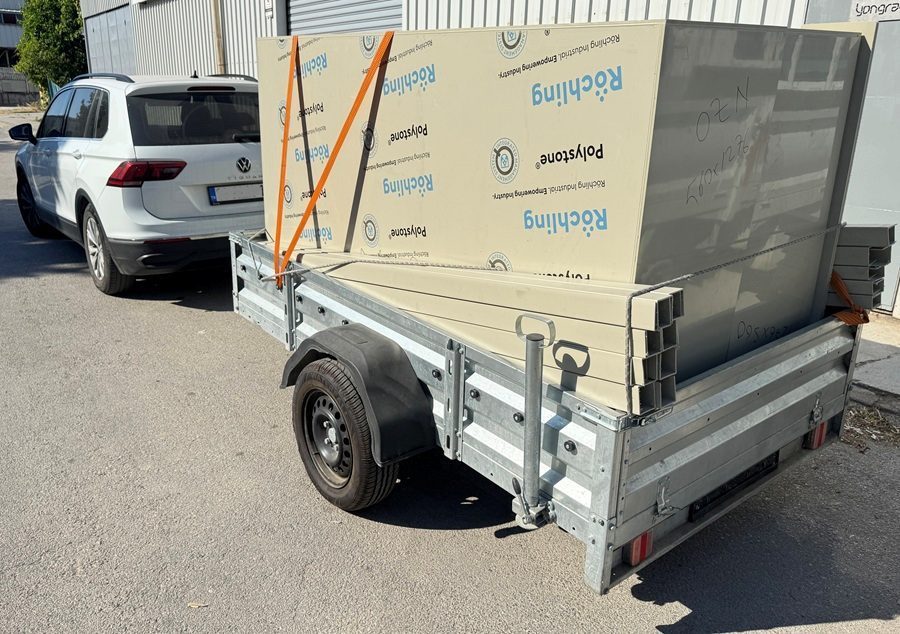
- Applications (Concrete / Steel)
- It is applied to reinforced concrete neutralisation and treatment basins — locked mechanically into the concrete by the V-Grip / Sure-Grip anchors on its back as the concrete is poured — or inside carbon steel tanks by dedicated bonding and anchoring techniques.
- Industry Applications
- Acid pickling basins in the iron and steel industry, process tanks in metal finishing plants and buried reinforced concrete chemical collection pits.
During formwork the V-shaped anchor ribs on the back of the sheet are embedded in the fresh concrete; once it sets, sheet and concrete become one and can never separate.
Yes. A steel frame is cast or anchored inside the basin and PP sheet is extrusion-welded onto it, creating a “basin within a basin” with no contact with the concrete at all.
On critical projects we use twin-layer linings with spacers and fit test ports behind the liner, which gives an early warning mechanism.
HDPE Lining Abrasion-Resistant Polyethylene Liners
This lining technology offers the highest resistance to impact, abrasion and the chemistry of municipal and industrial wastewater, with more flexibility and better low-temperature strength than PP.
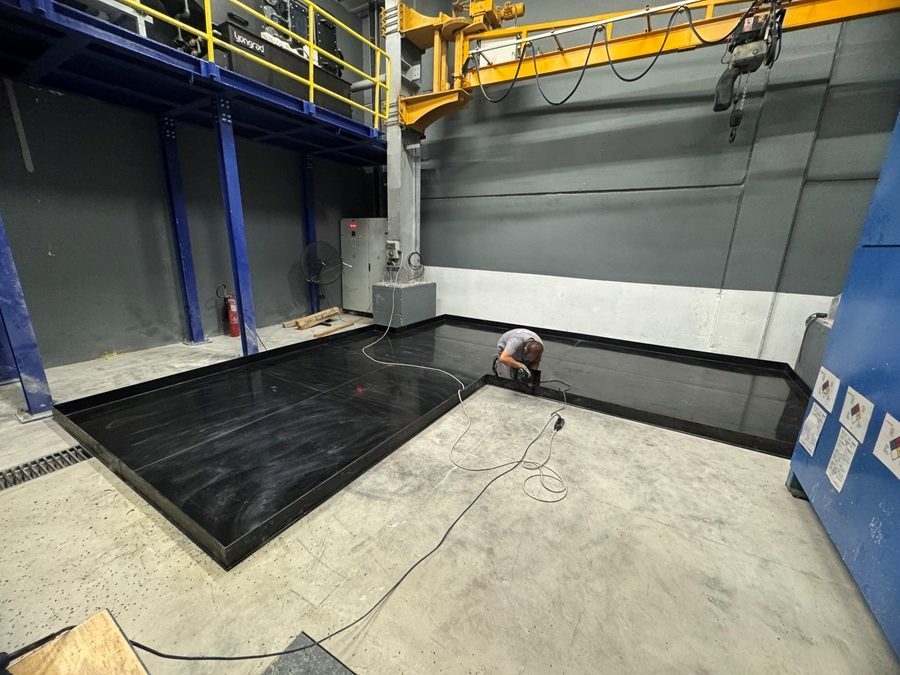
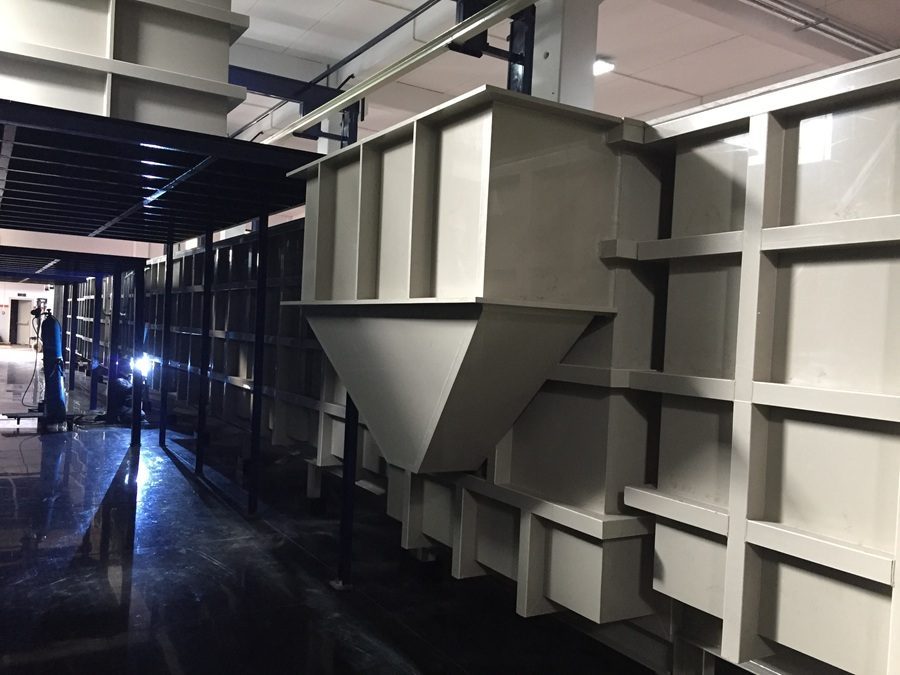
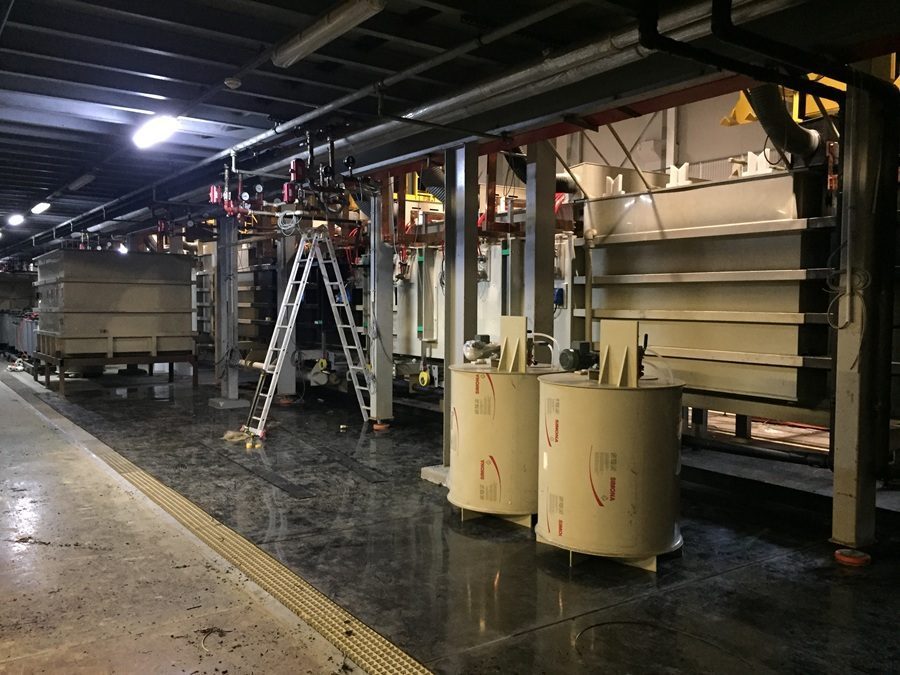
- Applications (Concrete / Buried)
- Armouring the inner surfaces of large reinforced concrete pumping stations, municipal manholes (Sure-Grip stud-liner) and steel settling tanks for heavy mining waste.
- Industry Applications
- Pumping stations in municipal wastewater treatment (preventing concrete decay from H2S gas), cyanide leaching ponds in mining and industrial sludge storage tanks.
The surface energy of HDPE is inert, so conventional adhesives will not hold. In steel tanks we therefore use bolted mechanical fixing or a free-standing loose lining shaped exactly to the tank.
Anchored stud-liner HDPE systems provide tonnes of pull-out resistance per square metre, which physically prevents groundwater from lifting the liner inwards.
Concrete loses its structural integrity to acid and sulphate attack within five to ten years, while HDPE-lined structures keep their first-day strength for more than fifty.
PVDF Polyvinylidene Fluoride Fluoropolymer Liners
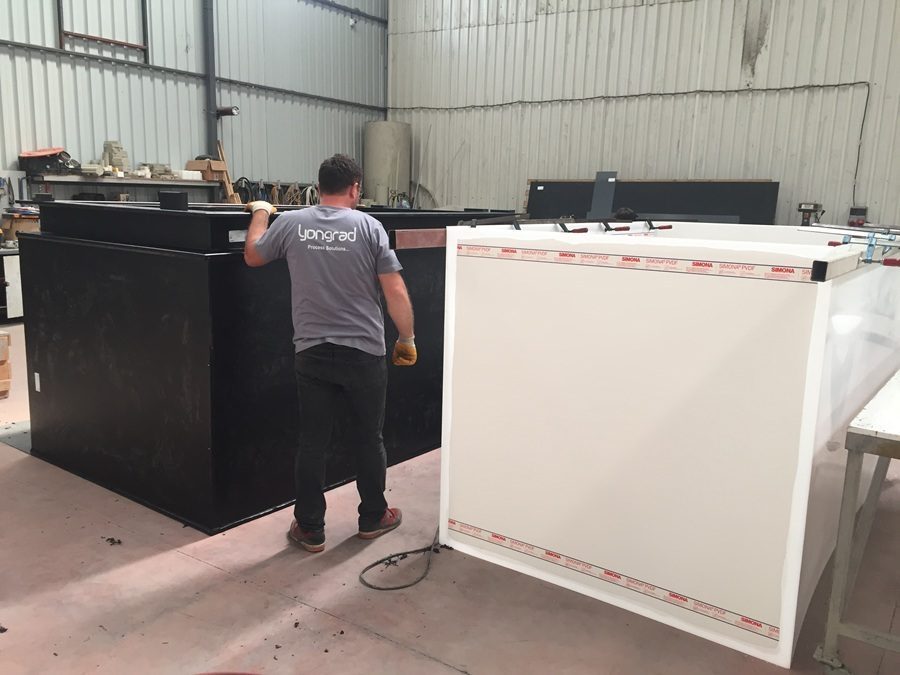
A premium fluoropolymer lining of microscopic smoothness, outstandingly resistant to halogens such as chlorine, bromine and fluorine and to strongly oxidising acids such as hot sulphuric.
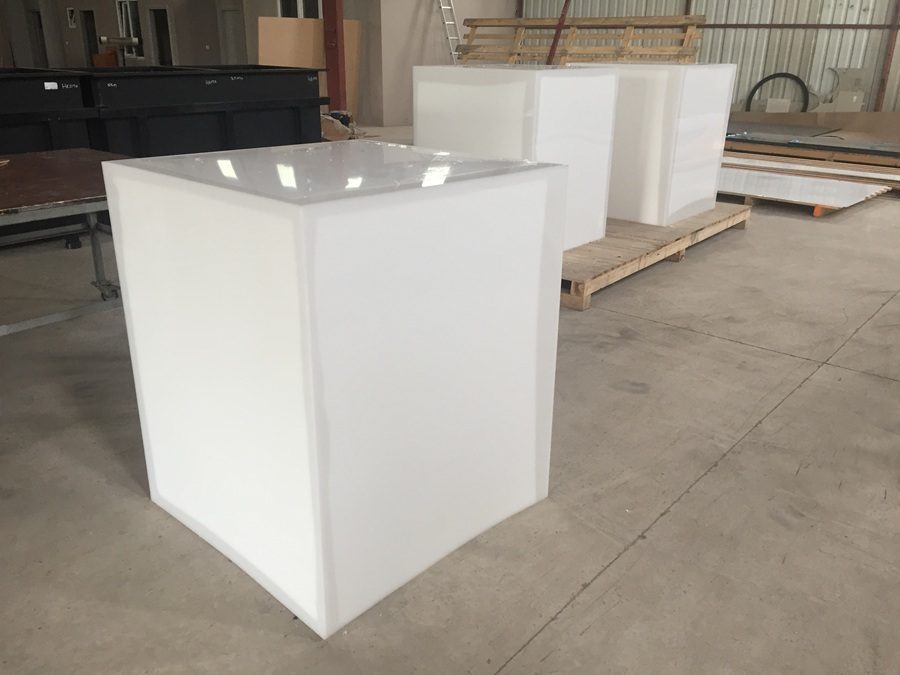
- Applications (Metal Tanks)
- Fabric-backed PVDF sheet is applied as a bonded liner to the inner walls of carbon or stainless steel reactors with high-strength epoxy resins.
- Industry Applications
- Ultra-pure water (UPW) storage tanks in the semiconductor industry, chemical tankers and aggressive acid reactors in petrochemical plants.
Stainless steel suffers pitting and stress corrosion in chloride-bearing media. PVDF is entirely inert to halogens and eliminates the corrosion risk to the metal.
The steel is blast-cleaned to SA 2.5 and the fabric backing of the sheet is pressed on with industrial epoxy resin, forming an inseparable composite.
The sheet edges are fused homogeneously by PVDF extrusion and hot-gas welding, giving a seamless armour inside the reactor.
ECTFE Halar®-Based Premium Chemical Armour Liners
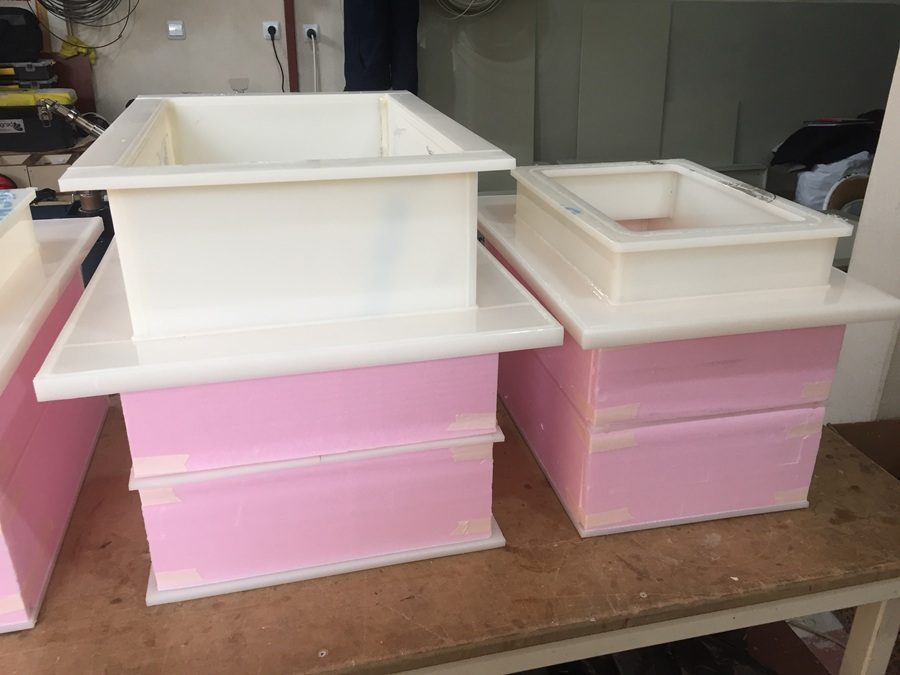
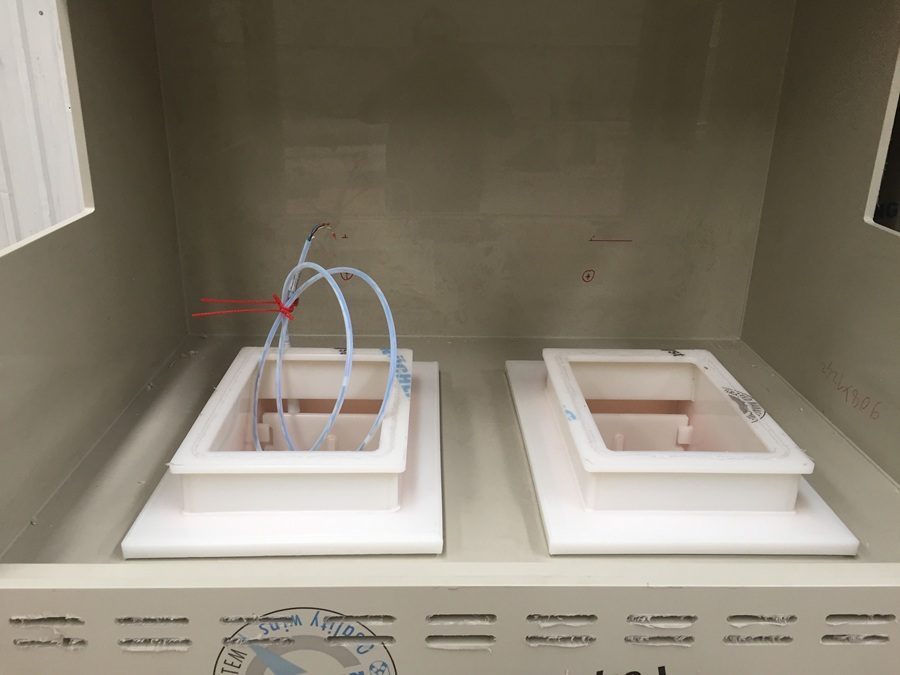
Produced by copolymerising ethylene and chlorotrifluoroethylene, this is a premium chemical armour: the highest barrier against gas and liquid permeation at high temperature, stable across every extreme between pH 1 and pH 14.
- Applications (Heavy Industry Steel Reactors)
- Lining steel reactors, scrubber columns and agitator shafts where corrosive gases risk passing through thin plastics and attacking the metal behind.
- Industry Applications
- Very hot caustic soda reactors, ozone generators, chlorine dioxide towers and heavy solvent recovery columns.
PVDF can weaken in hot, strongly caustic media. ECTFE is many times more resistant than PVDF to the harshest alkaline environments at pH 14 and to solvents.
It is the passage of very aggressive gases such as HCl vapour through the plastic at molecular level, corroding the metal behind it. The microcrystalline structure of ECTFE blocks that passage completely.
Its molecular surface is smoother even than glass, so no chemical scale or biofilm takes hold on the wall and cleaning costs fall.