



Chemical Piping.
Thermoplastic process lines that carry reactive chemicals, deionised water and corrosive vapours safely.
The nervous system of the plant: the right polymer, the right wall thickness and the right joining technology.
The piping that forms the nervous system of your plant carries reactive chemicals, deionised water and corrosive vapours safely. Choosing the right polymer, the right wall thickness (SDR) and the right joining technology is what guarantees process safety.
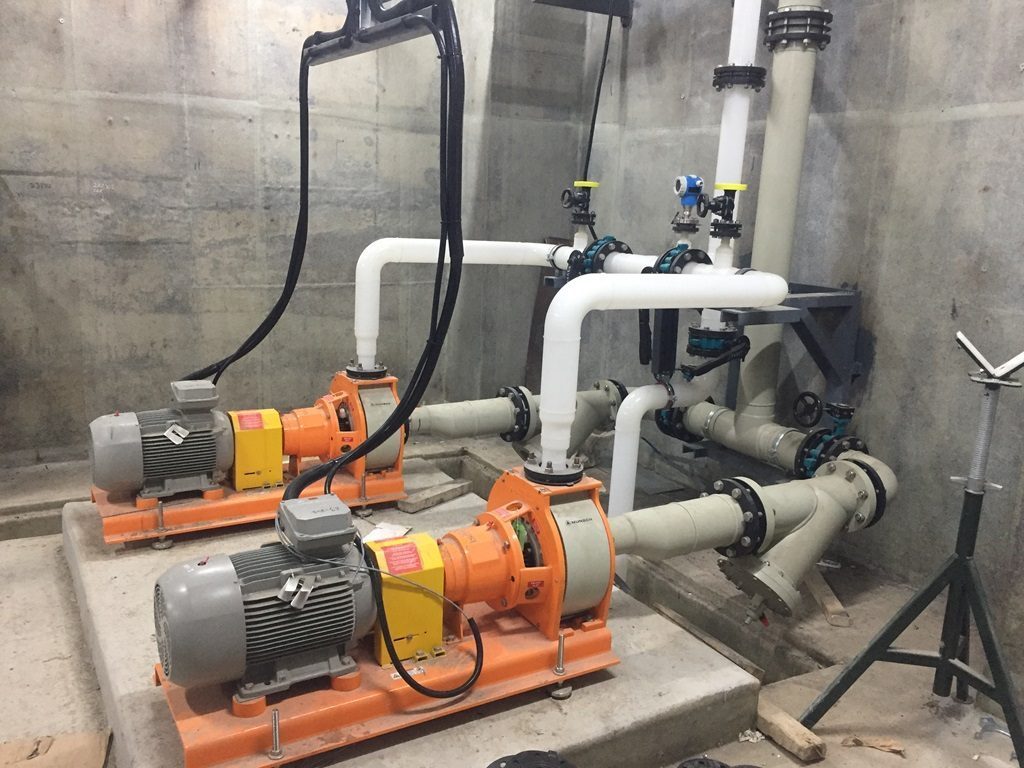
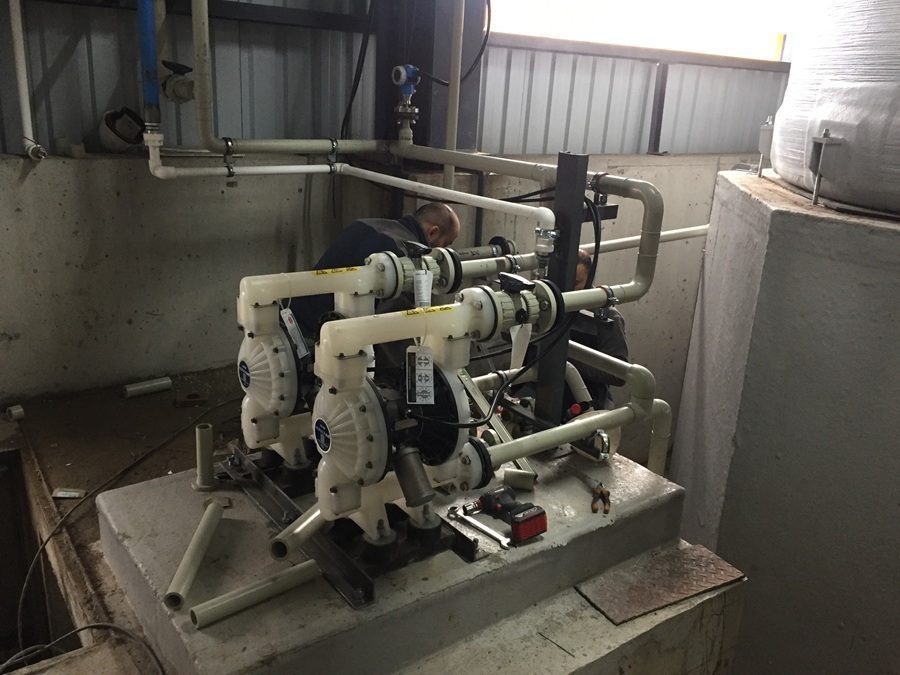
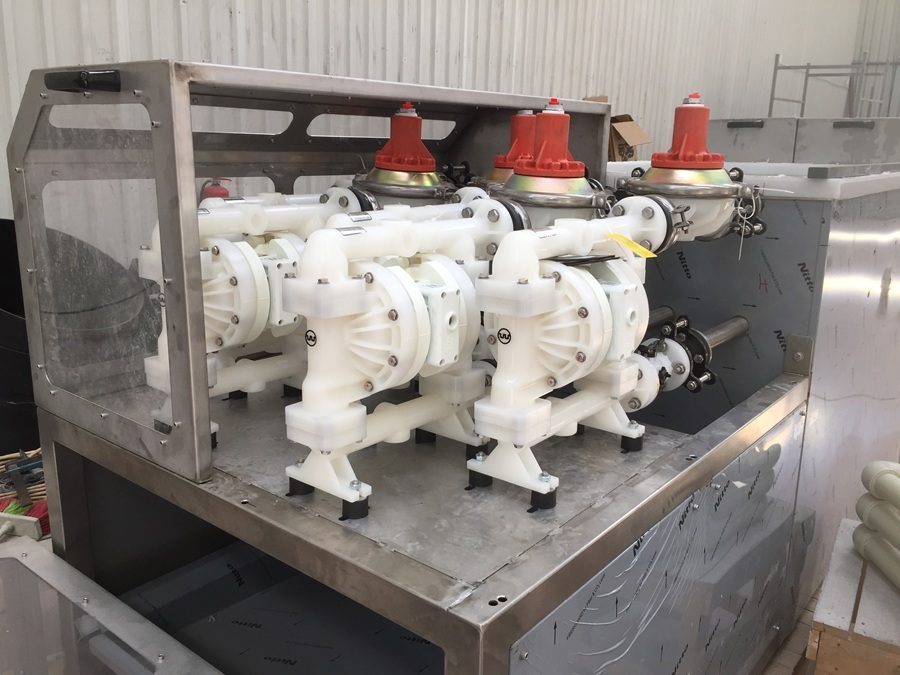
High-Pressure Lines PP / HDPE / PVDF Heavy-Duty Process Lines
Heavy-duty process lines of extra wall thickness, strong against the high pressures generated by industrial pumps and against water hammer.
- System Architecture
- Industrial pipe and fitting networks in the SDR 11, SDR 9 and SDR 7 pressure classes, with viscoelastic damping.
- Industry Applications
- High-pressure sodium hypochlorite lines in chlor-alkali plants, reverse osmosis (RO) feed lines and chemical pump collectors.
Metal pipe is rigid: it passes the pressure wave straight to the fittings and bursts them. PP, HDPE and PVDF have a low elastic modulus and absorb the shock wave by flexing.
It is the ratio of outside diameter to wall thickness. The smaller the SDR, the thicker the wall and the higher the nominal pressure (PN) the pipe can carry.
A safe mechanical flange connection is made with steel-cored backing flanges and chemically resistant PTFE or EPDM gaskets.
Double-Contained Piping “Pipe-in-Pipe” Double Containment Systems
Pipe-in-pipe transfer systems for lines where a crack releasing aggressive chemicals into the surroundings would create a lethal risk.
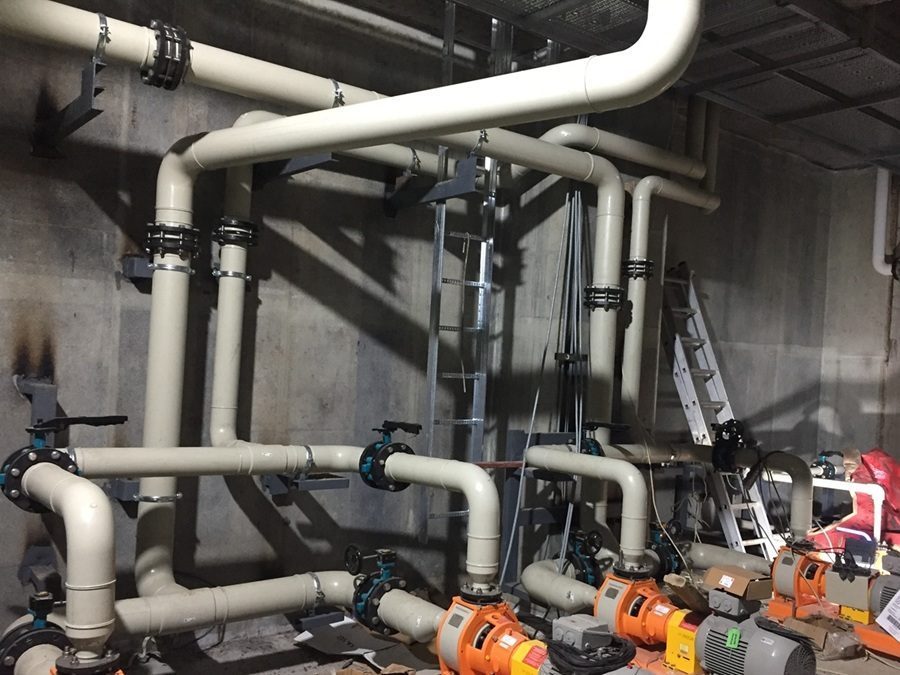
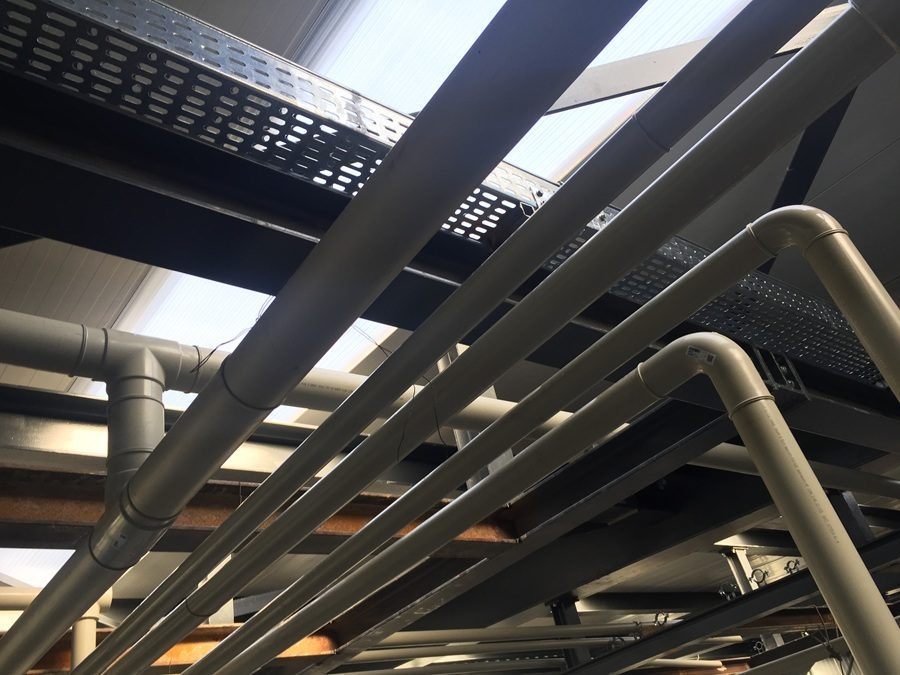
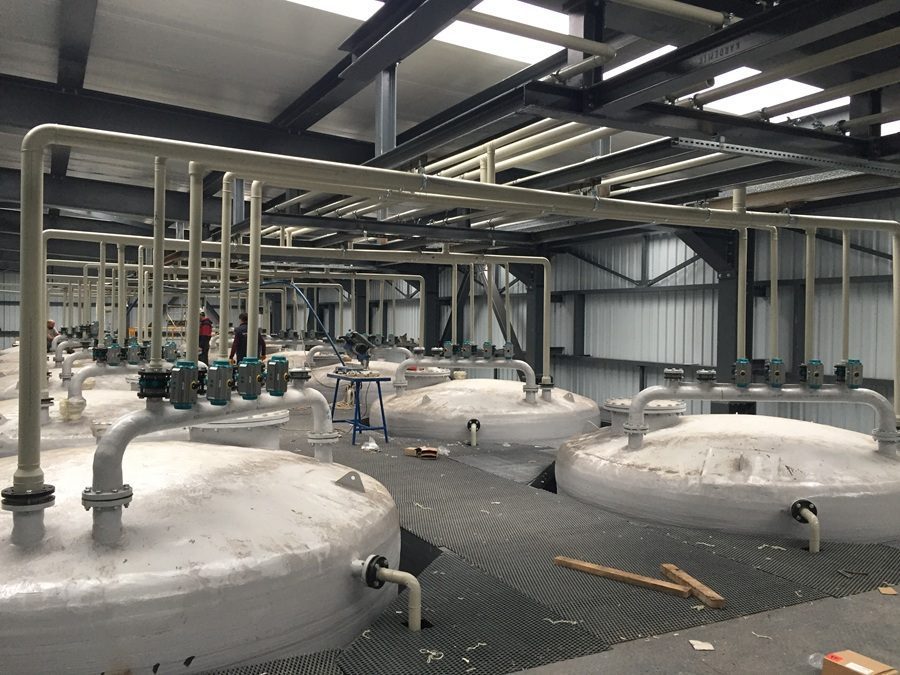
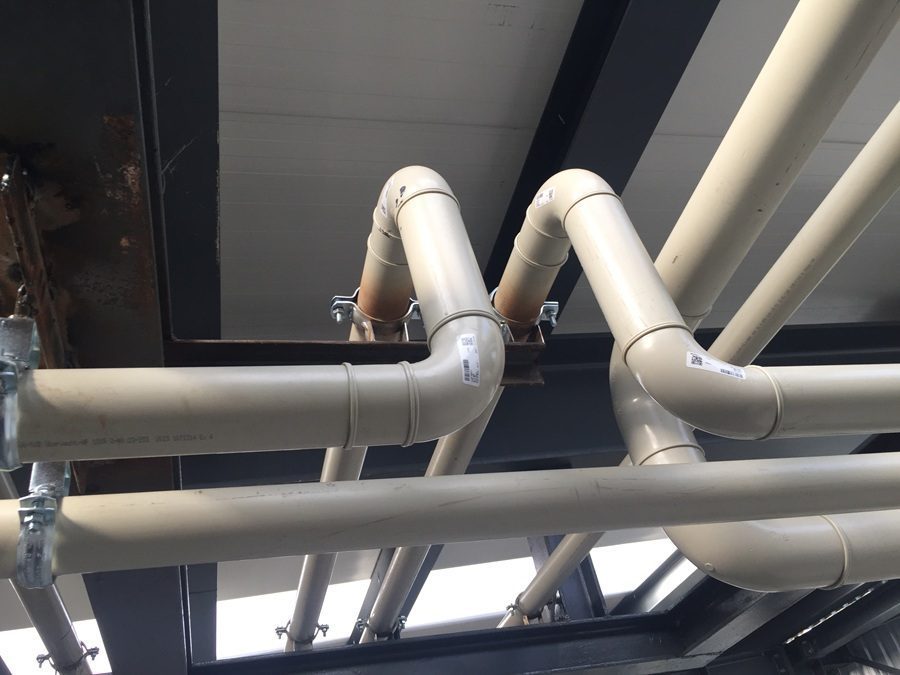
- System Architecture
- A carrier pipe inside a protective outer pipe — PVDF inside PP or clear PVC, for instance — with patented centralisers between them.
- Industry Applications
- Overhead acid lines running above walkways inside the plant, and cyanide or chromium lines crossing rivers and buried ground.
With purpose-built double-wall fittings: the carrier pipe is butt-welded first, then the outer section is closed with an electrofusion coupler so that containment stays continuous.
It lets anyone walking past see a leak in the carrier pipe at a glance, without depending on electronic sensors.
Leak-detection cable is run in the annulus, or Labkotec optical sensors are fitted at the low-point collection chambers, and a leak is reported to SCADA the moment it occurs.
Spools and Manifolds Modular blocks prefabricated in the workshop
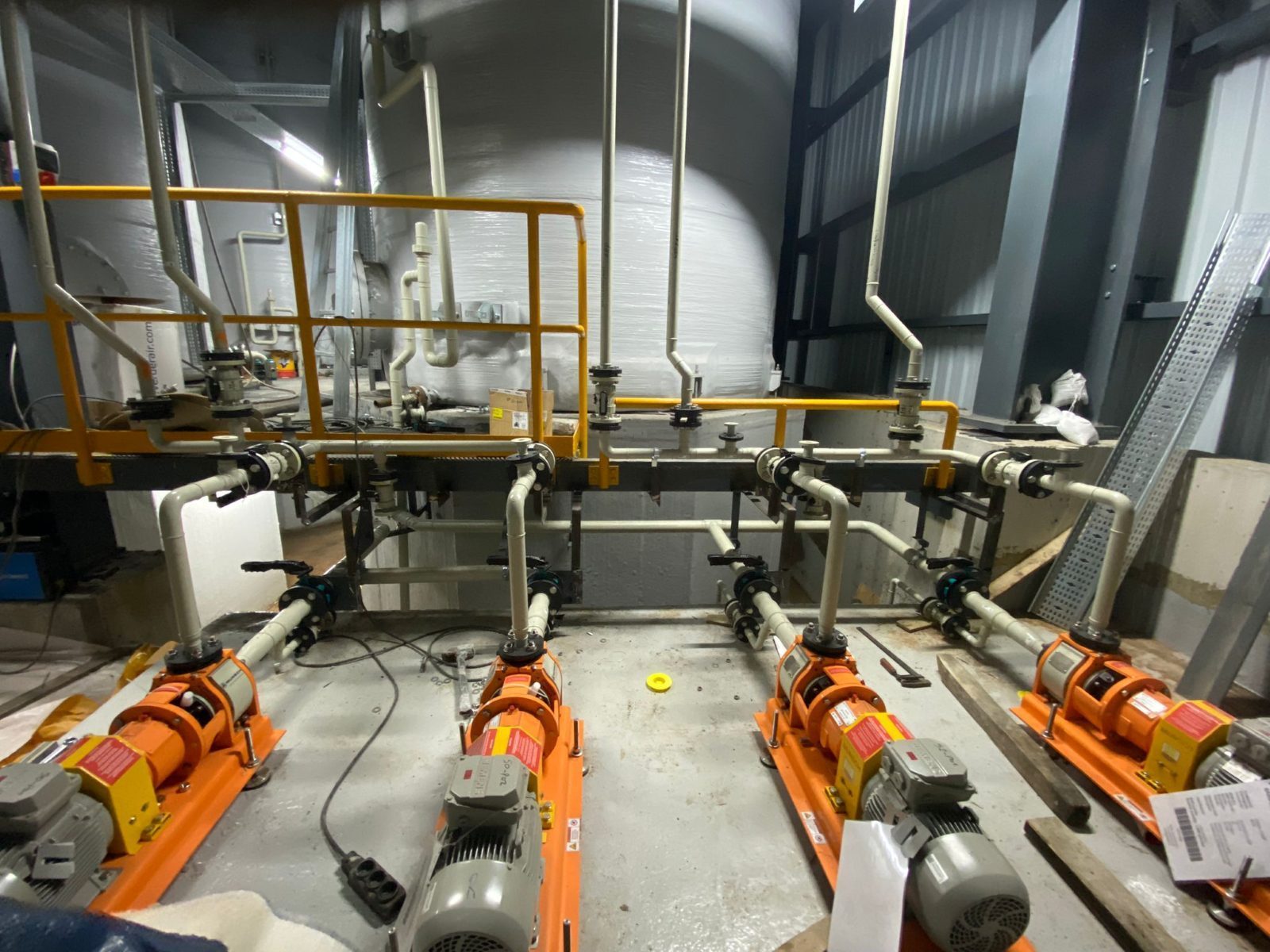
To take weather, welding faults and installation time out of the equation on site, complex pipe assemblies are prefabricated, tested and modularised in the workshop.
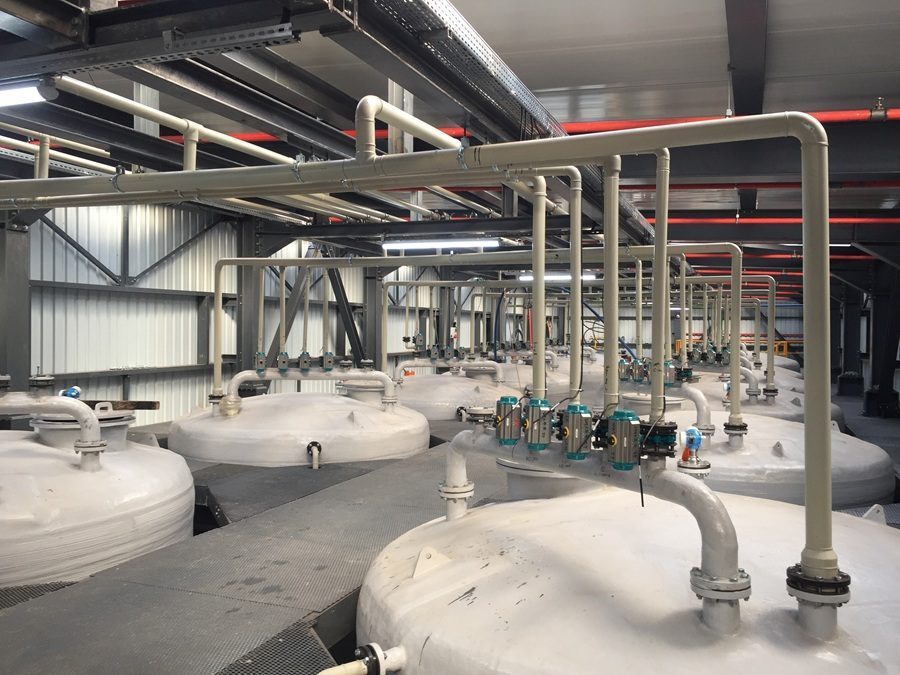
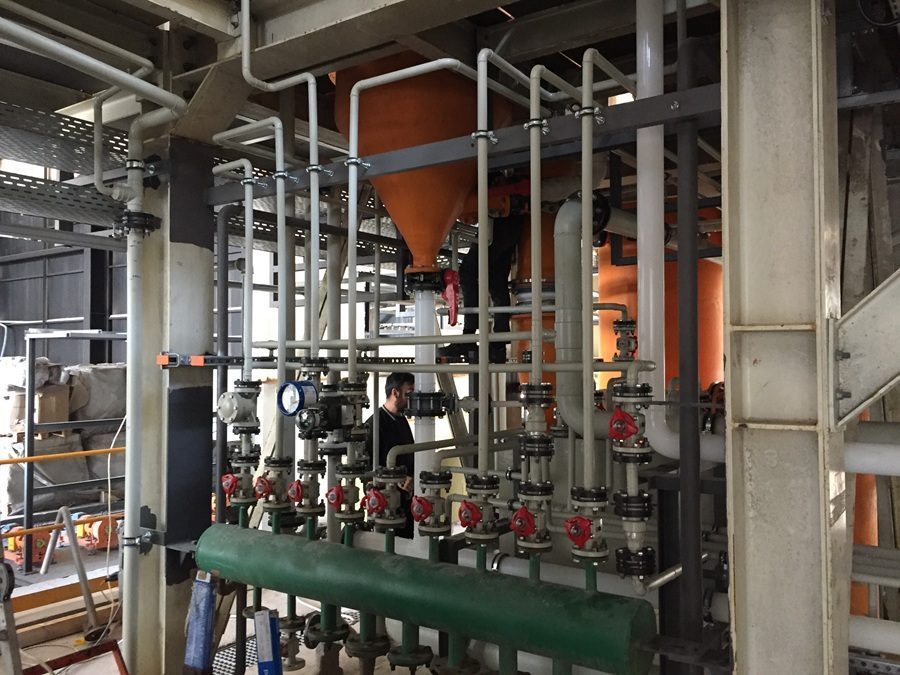
- System Architecture
- Thermoplastic spool blocks with flanged or union ends, welded on CNC machines in controlled workshop conditions exactly to the isometric drawings.
- Industry Applications
- Chemical dosing skids, large pump suction manifolds in water treatment plants and modular reactor connection stations.
Dust, wind and awkward welding positions on site are all risks. Spools produced to ideal parameters in the workshop are stress-free and faultless.
Complex manifolds are modelled on the fluid dynamics, and pipe stress is minimised with bend geometry and flexibility allowances.
Yes. Every spool that leaves our workshop is hydrostatically pressure-tested to DVS standards and released by quality control before shipping.
Socket- and Butt-Welded Lines Proven joining methods to international standards
Process lines built with the standard socket and butt welding methods whose reliability is proven by international standards, used in the general chemical distribution networks of industrial plants.
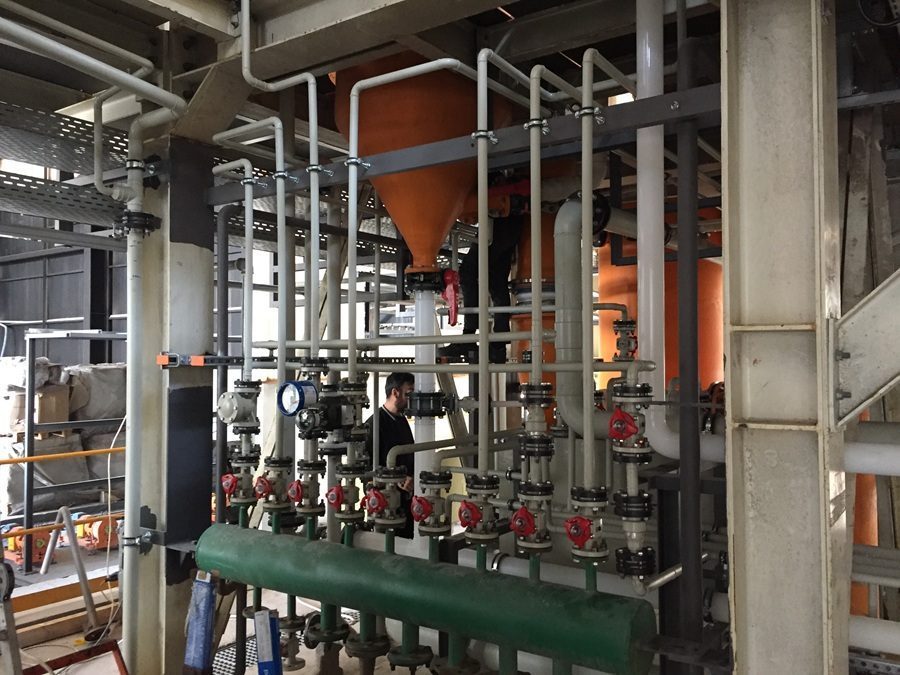
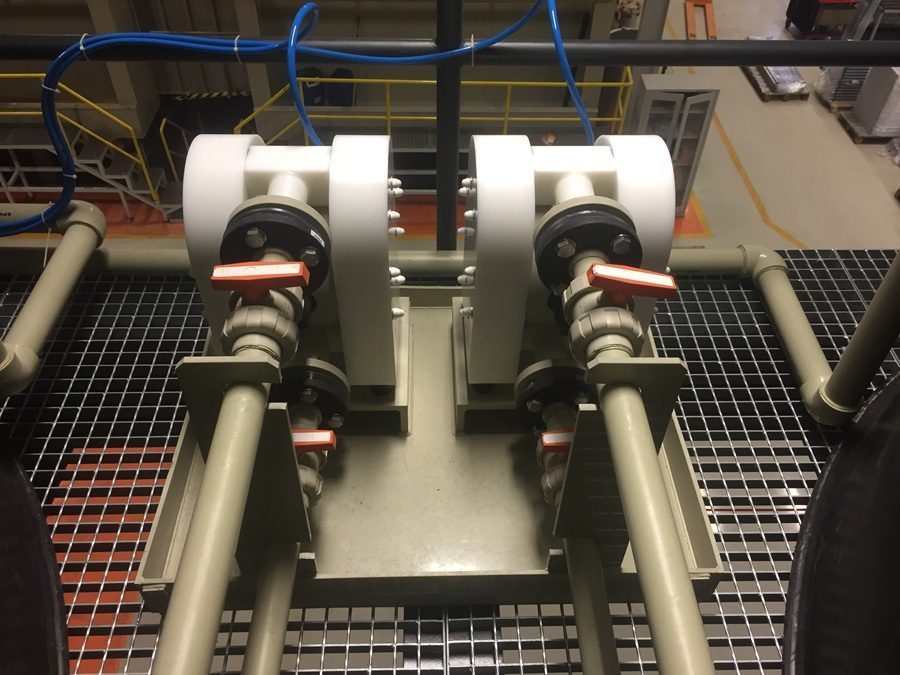
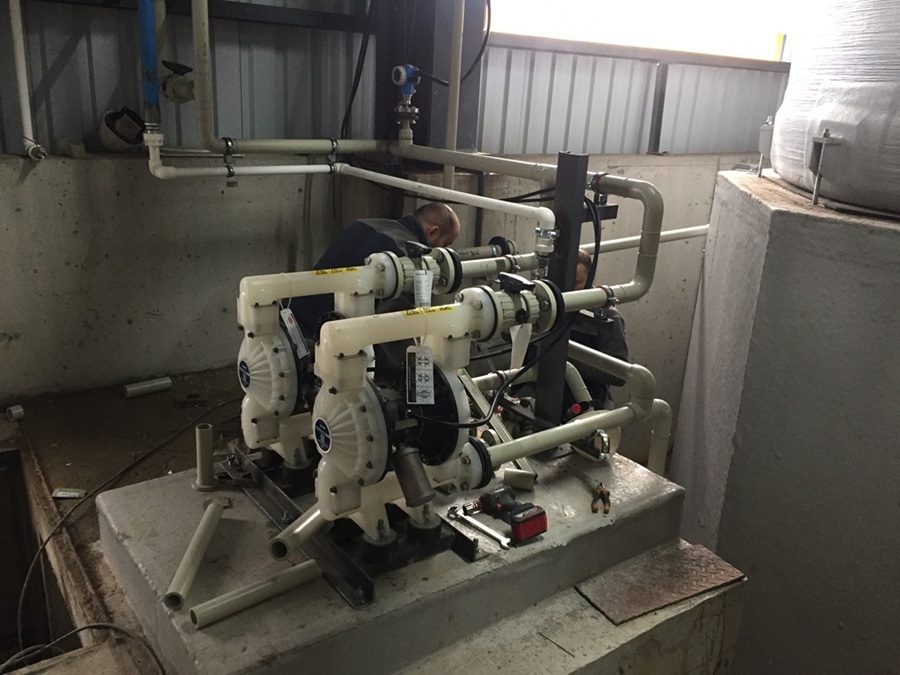
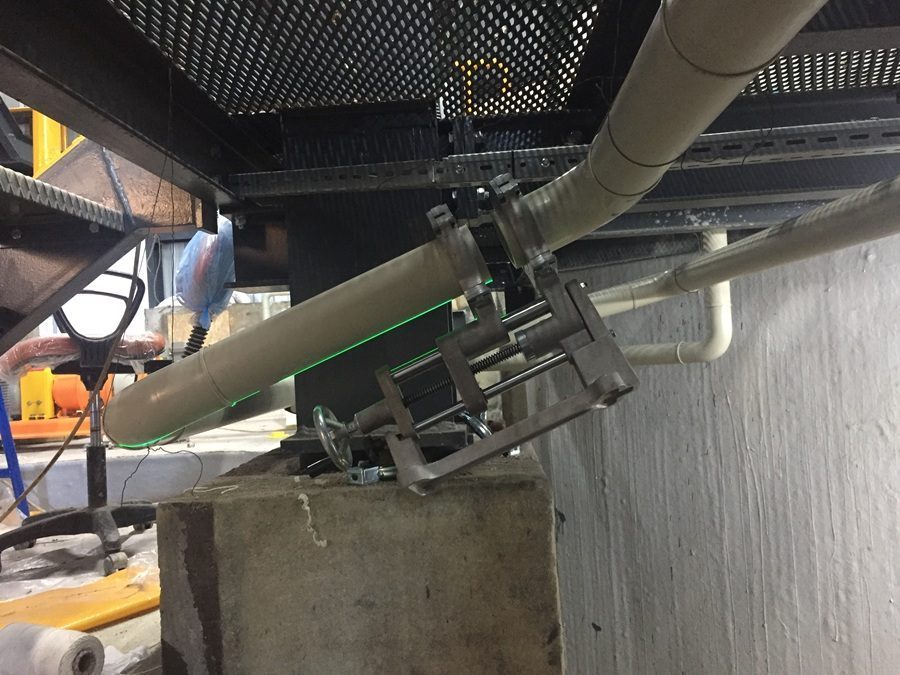
- System Architecture
- PP-H, HDPE and PVDF pipework fused homogeneously with calibrated heating plates for butt welds or socket tooling for socket welds.
- Industry Applications
- General chemical transfer networks, chemical preparation and dosing lines in treatment plants, and industrial wastewater drainage.
In a butt weld the pipe ends are pressed against the heater, melted and joined end to end. In a socket weld the pipe is pushed into a fitting and fused around its whole circumference.
The digital control panel of the welding machine applies the heating times and pressures required by DVS for the pipe diameter and SDR class automatically.
Yes. With the right wall thickness (SDR class) and a professional weld, they serve safely at pressures up to PN16.